

The Old Vineyard Barn
Photographic ode to wine country barns that tell us real stories of struggle, strife, hope and glory

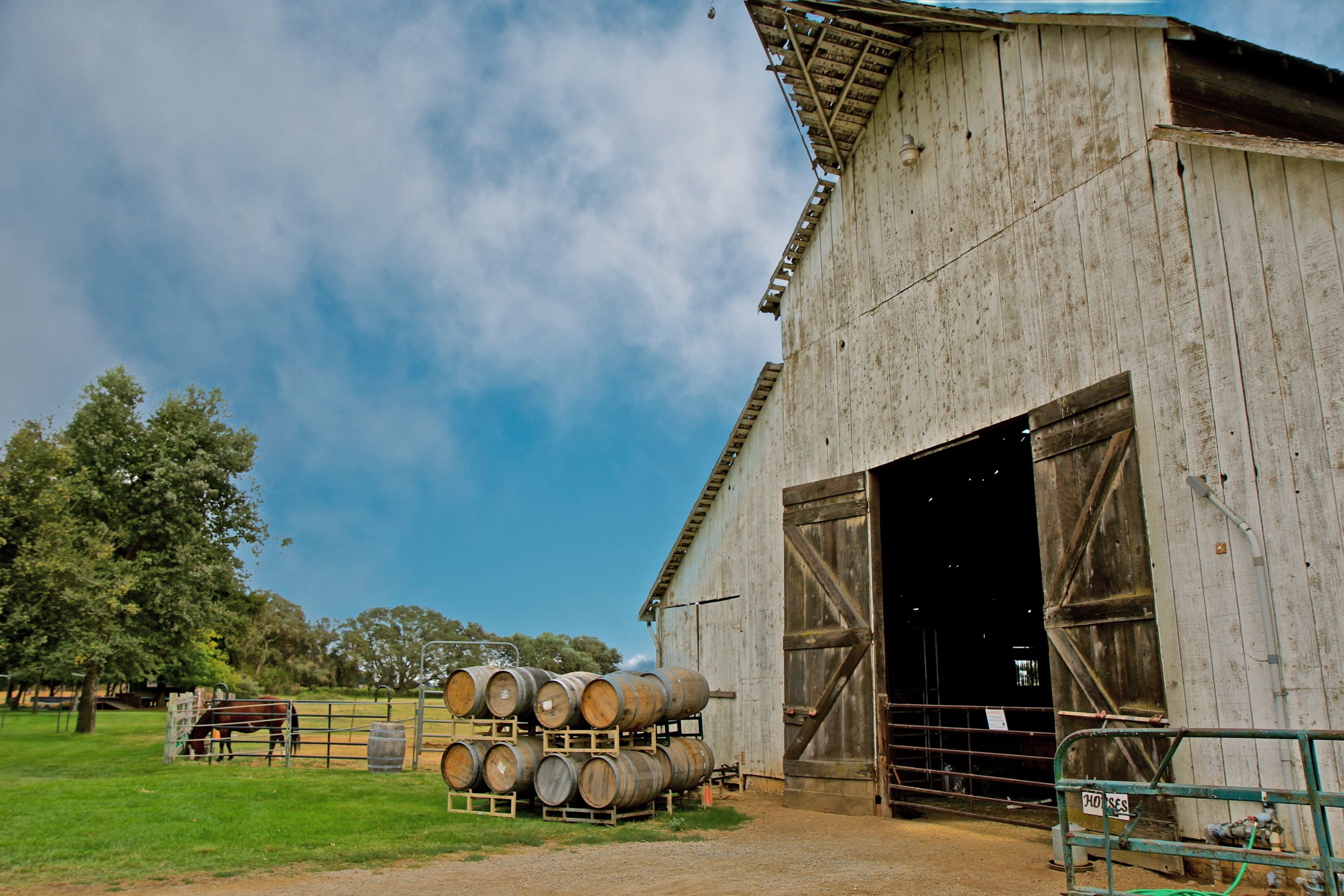
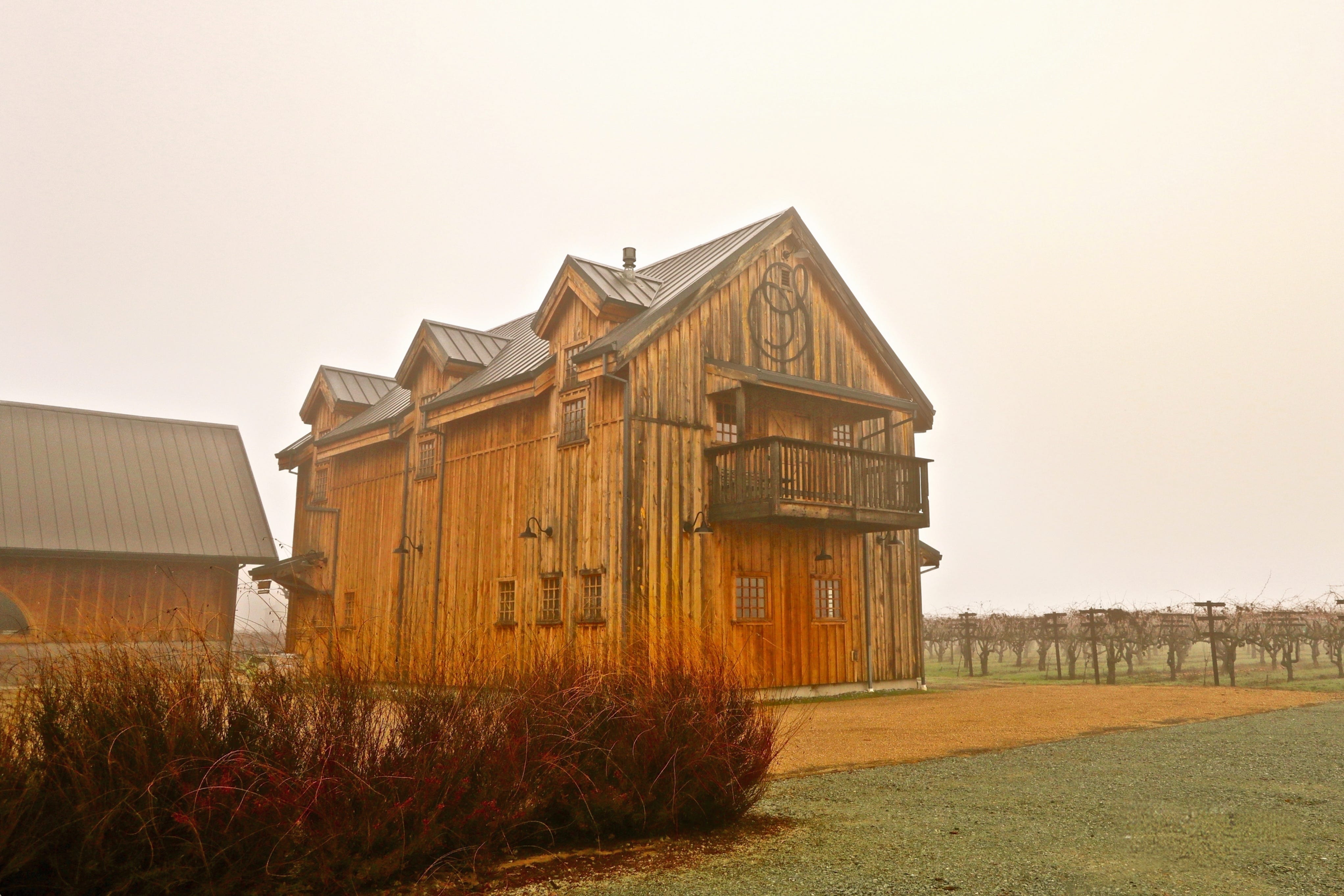
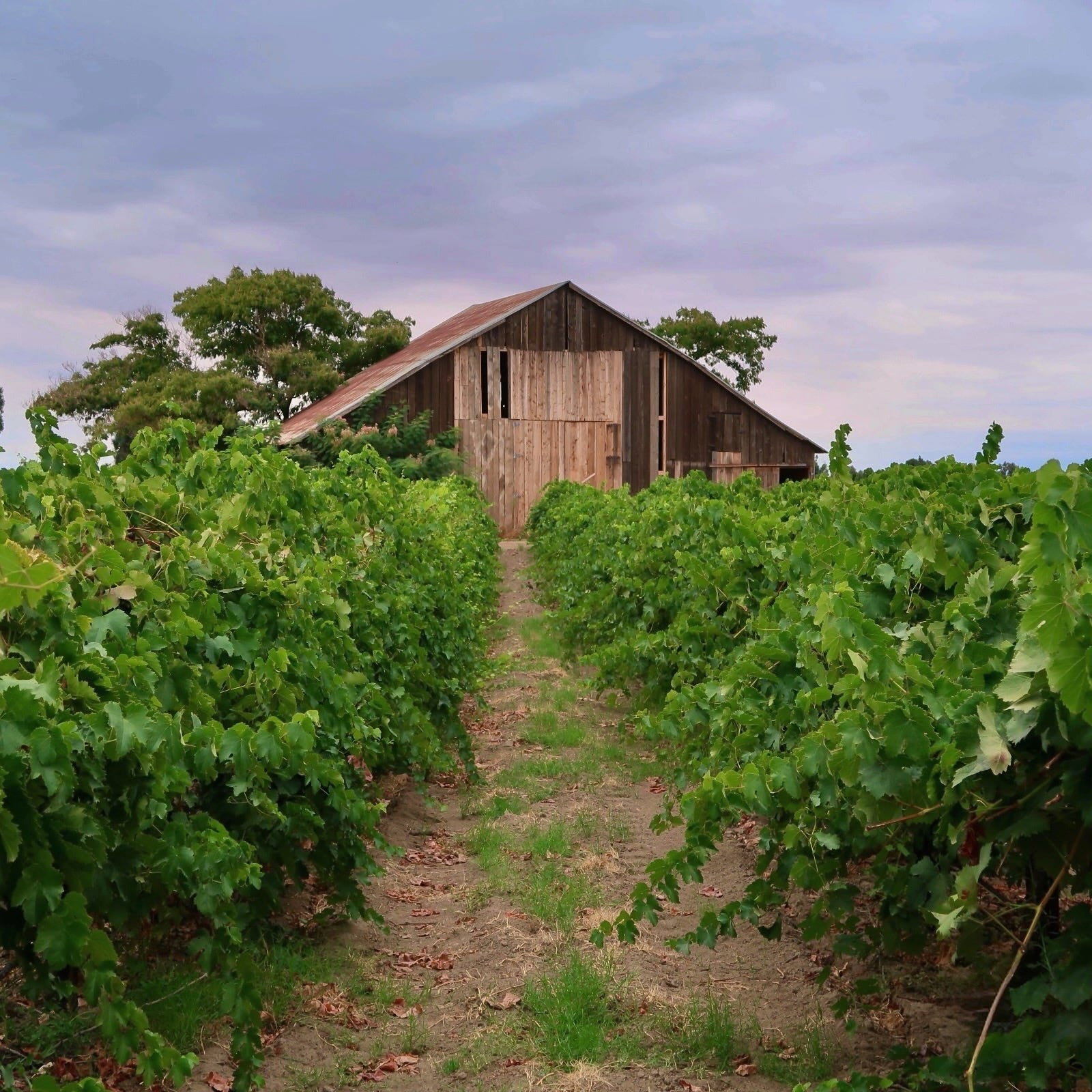
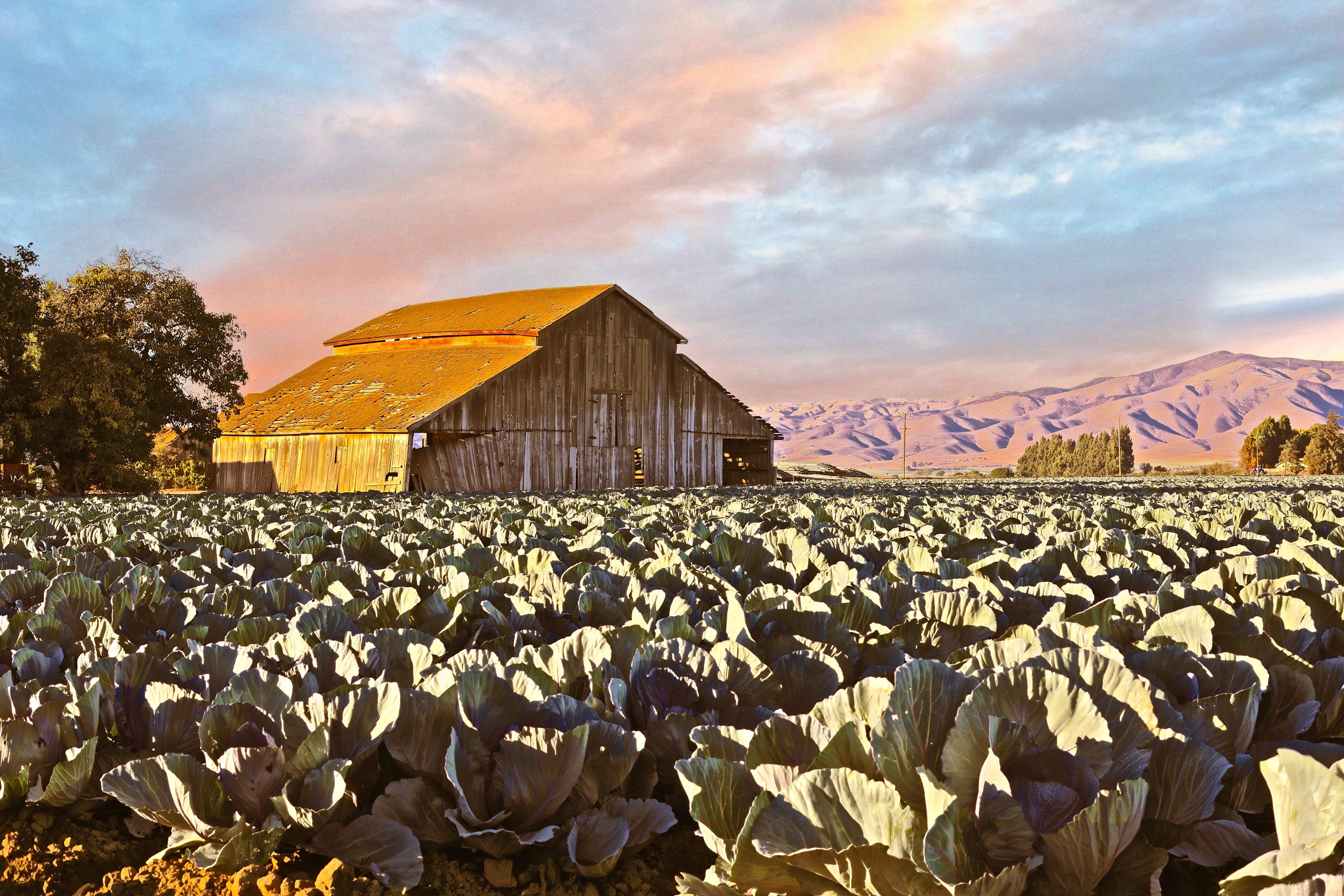
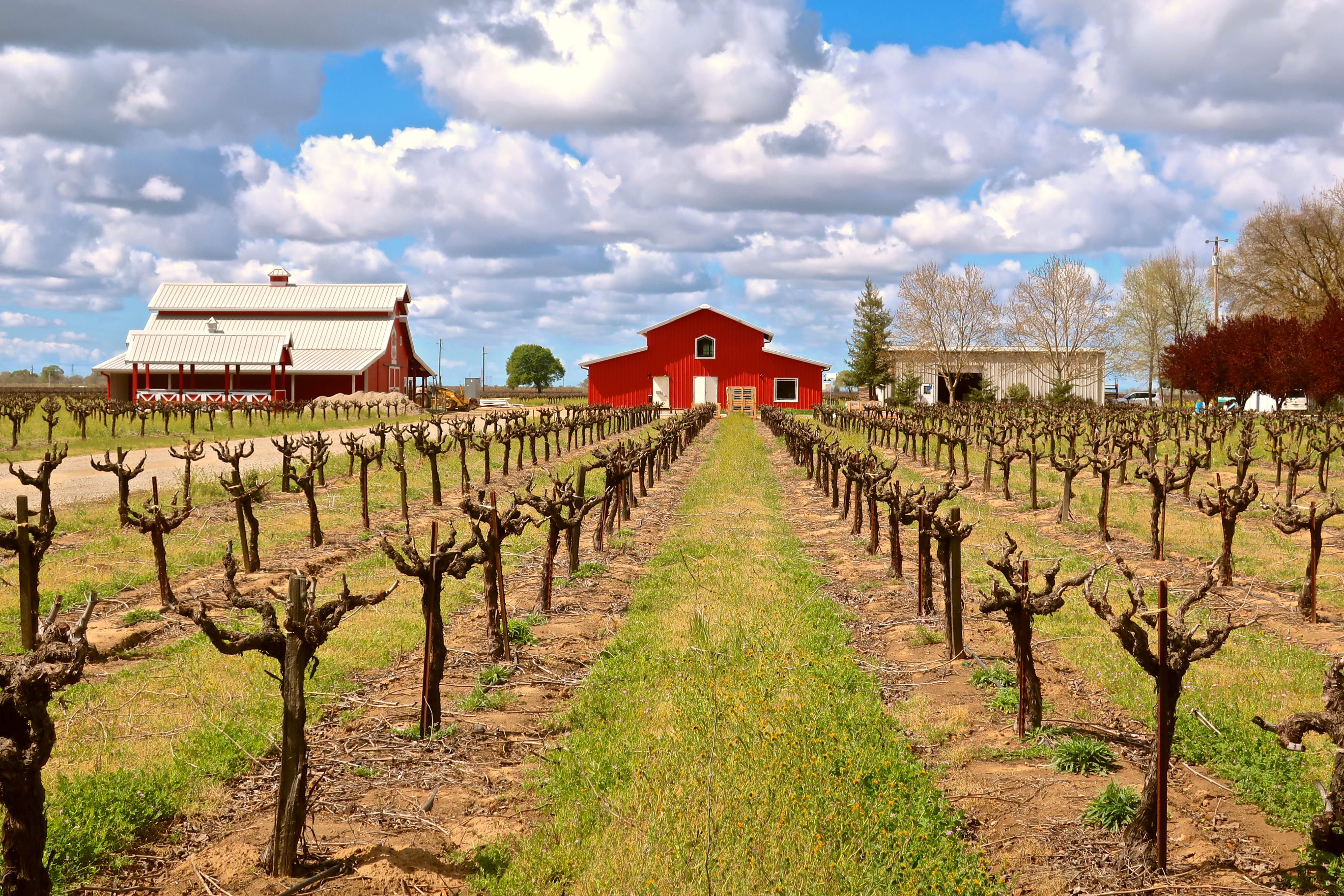
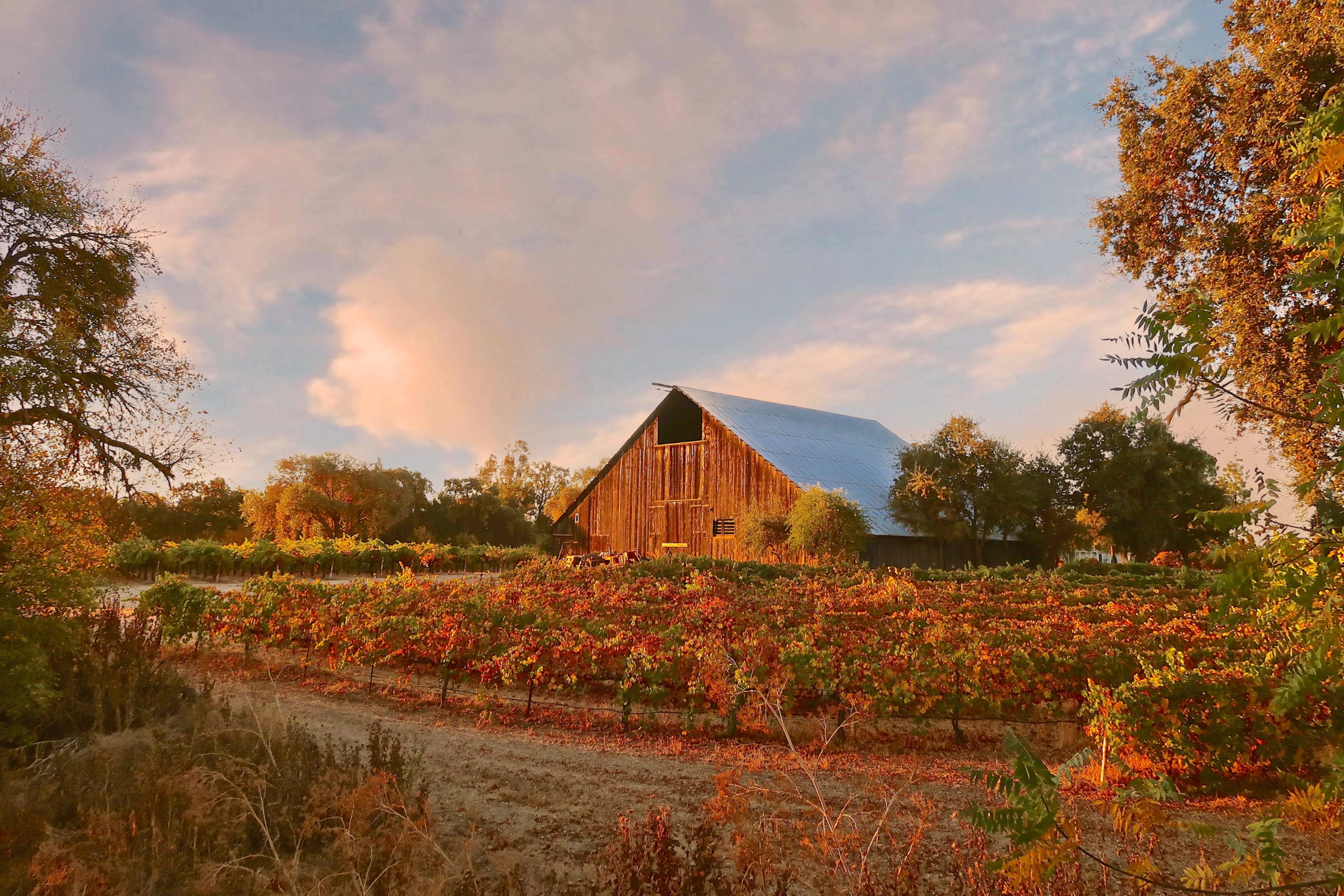
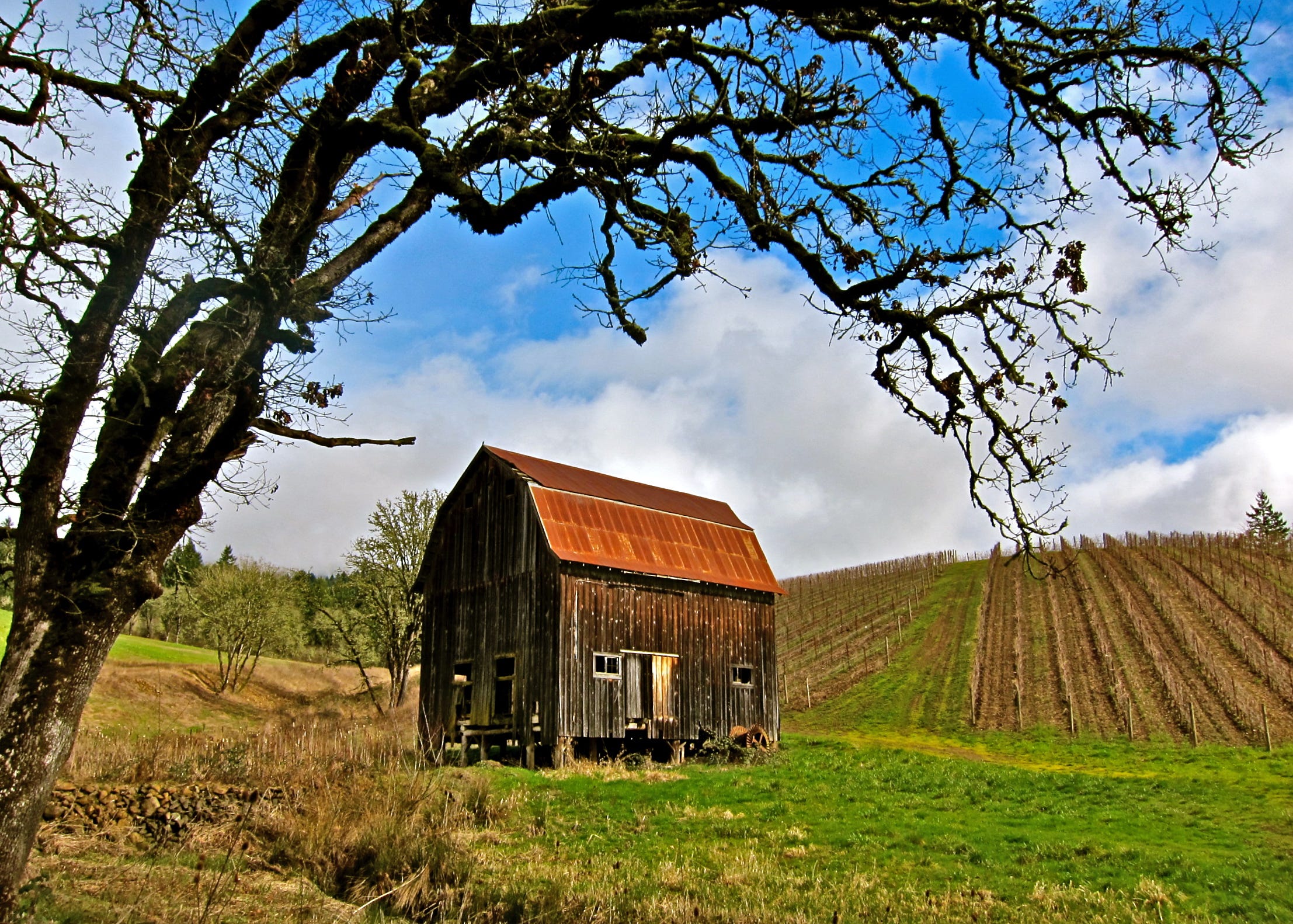
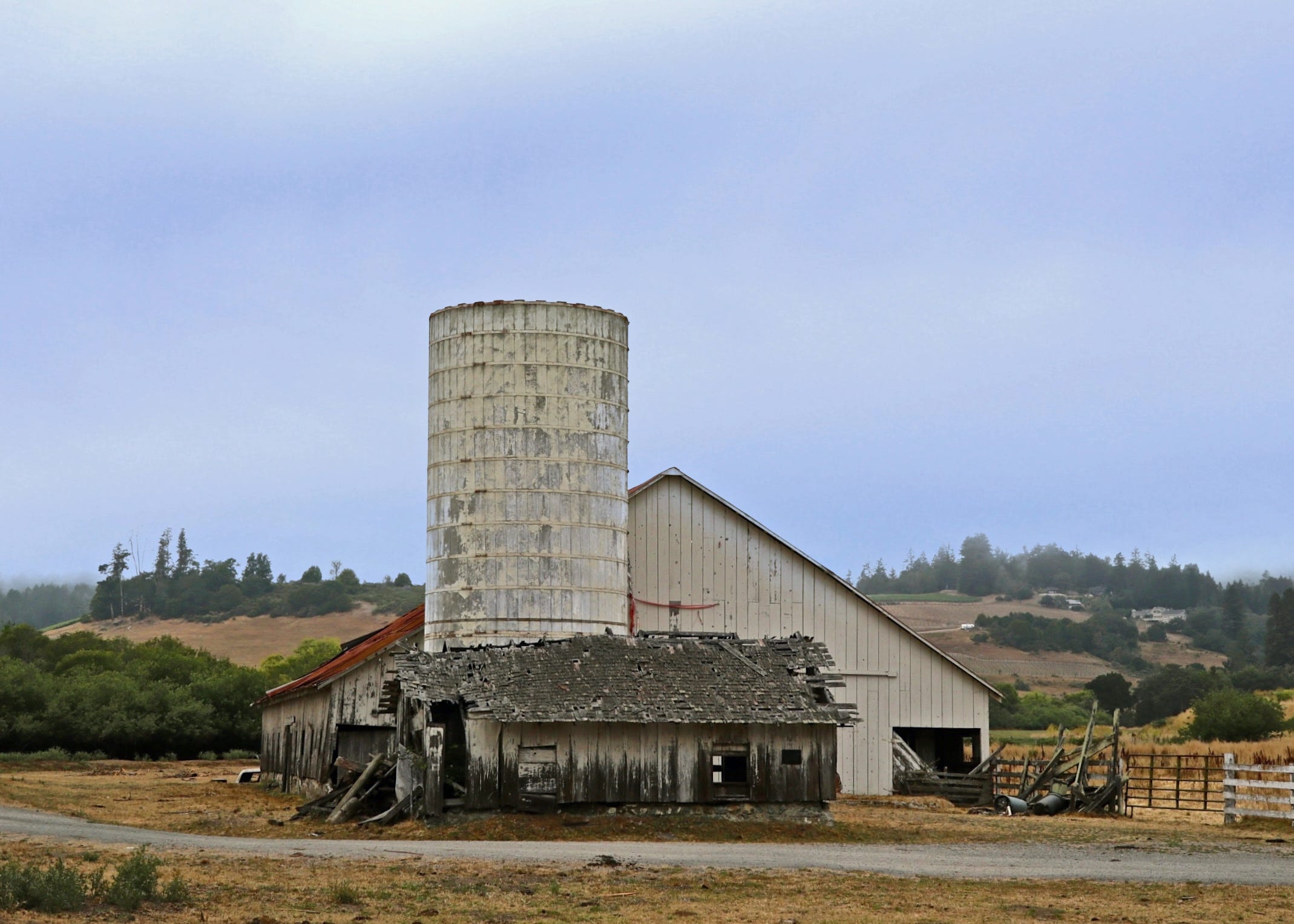
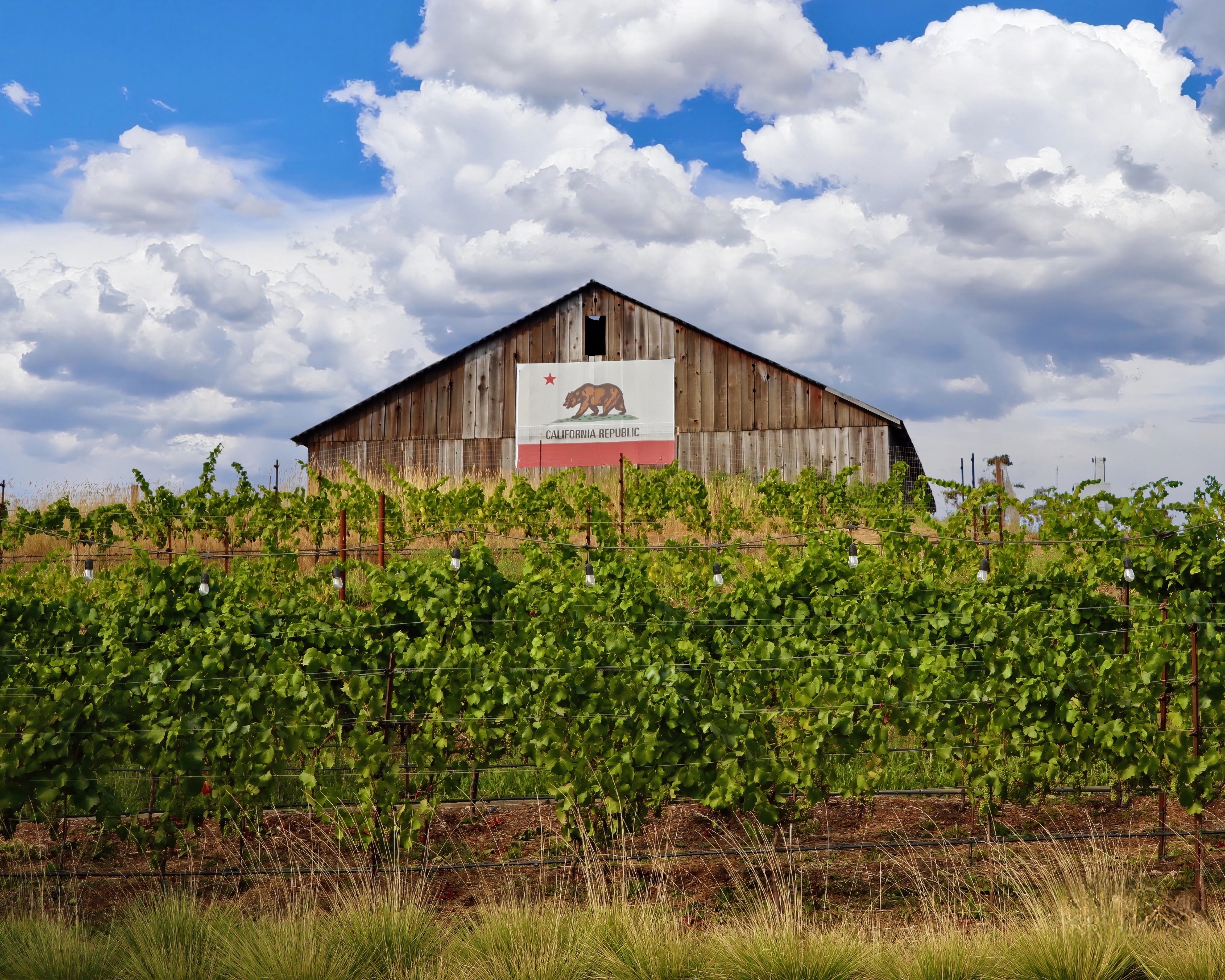
I’m far from the only photographer with a long running compulsion to shoot old barns. Rugged old barns are beautiful. They often stop us in our tracks when we are driving along country roads, their very facades sparking the imagination, even though their interiors are surely meant to be utilitarian rather than romantic (as Mrs. Caparoso, who grew up on a farm, blithely reminds me).
The difference in my repertoire, as you can probably guess, is that mine are wine country barns. And not manipulated to a point where they no longer appear to be real, or becoming more like whimsical fairy tale-like drawings. I don’t do that because, frankly, I really don’t know how to do that to pictures. I think, though, my ignorance, or lack of technical skill, is probably good thing. In my photos, you see the barn the way my two eyes saw them.
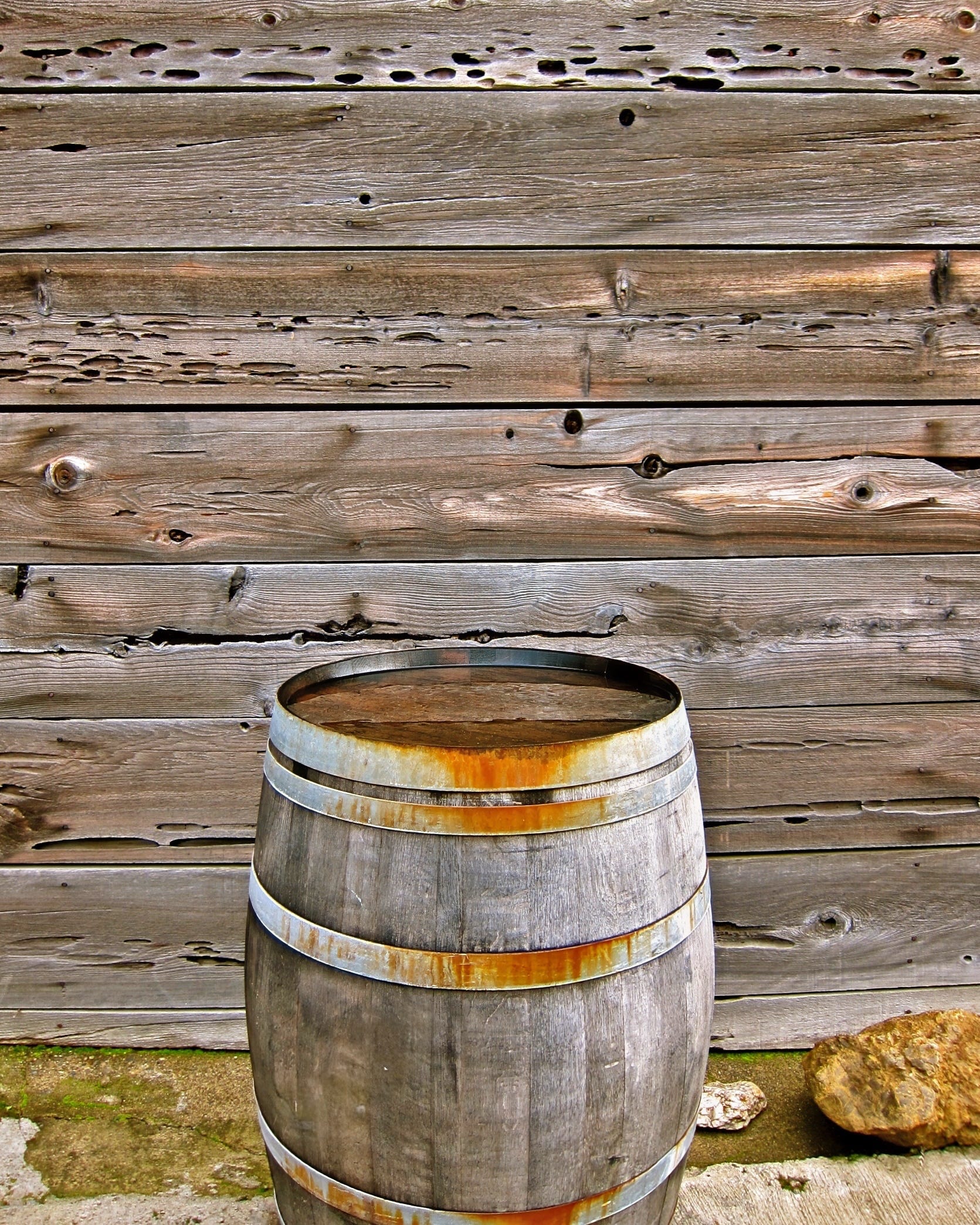
My old barns retain their natural, rough, raggedy edges. I think that’s called realism. Another technical term I found when reading up on photography is “humanist documentary,” which I interpret as meaning exactly what those words say. My barns document stories of real people, real vineyards in real wine regions; often, about generations of families associated with those barns. Therefore the last thing I want to do is turn them into fake computer-generated images. I want them to be faithful to their real stories, told about real people and lives; in some cases, with histories going back over 100 years.
To complement the collection in this post, I wrote a partly fictional story to illustrate one of my favorite photos of a barn which happens to sit less than 10 minutes from my table, where I’m writing this post as we speak, while listening to Grateful Dead’s “American Beauty” (a friend of the devil is a friend of mine…).
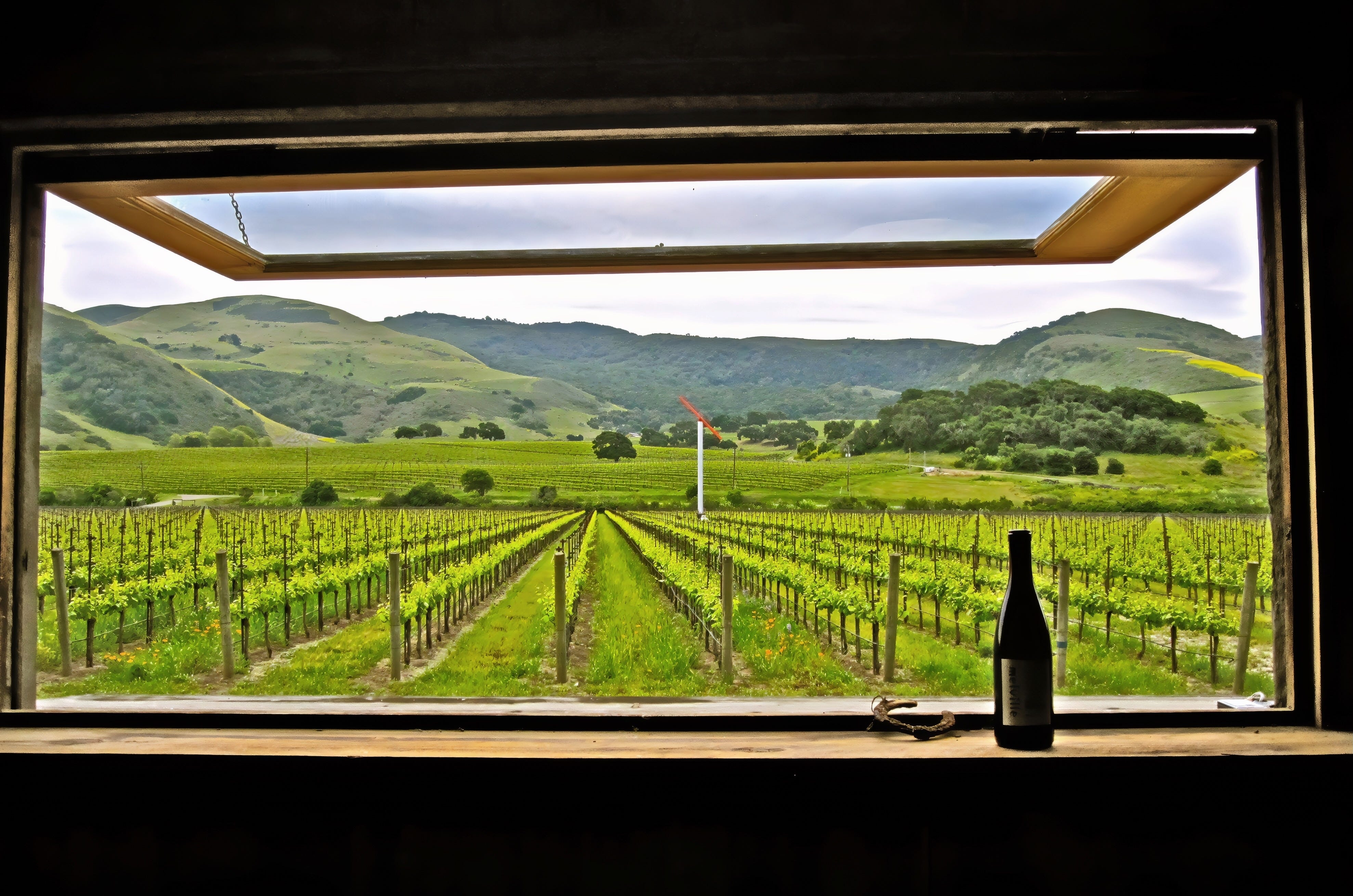
I’m throwing in a character who is barely a teenager, who comes in armed with a handy Canon PowerShot, the exact same camera I carried in my pocket when I first walked into that barn 15 years ago, accompanied by my oldest daughter and her son. My story tries to recount how the barn must have looked through the eyes of all three of us—and that young imaginary teen.
Since then, I have learned a lot more about the barn’s real-life owners—a farming family who’s been there since 1870! Thus, my words and images give me an excuse to relate a true history. Not to mince words, the name of my story is “The Old Vineyard Barn.”
Thank you for taking this flight of fancy with me, which hovers through a good number of other favorite captures of wine country barns, woven in and out of this story. Try not to think too much about it, just enjoy. Let’s keep it visceral.
Shall we proceed? Re...
The Old Vineyard Barn
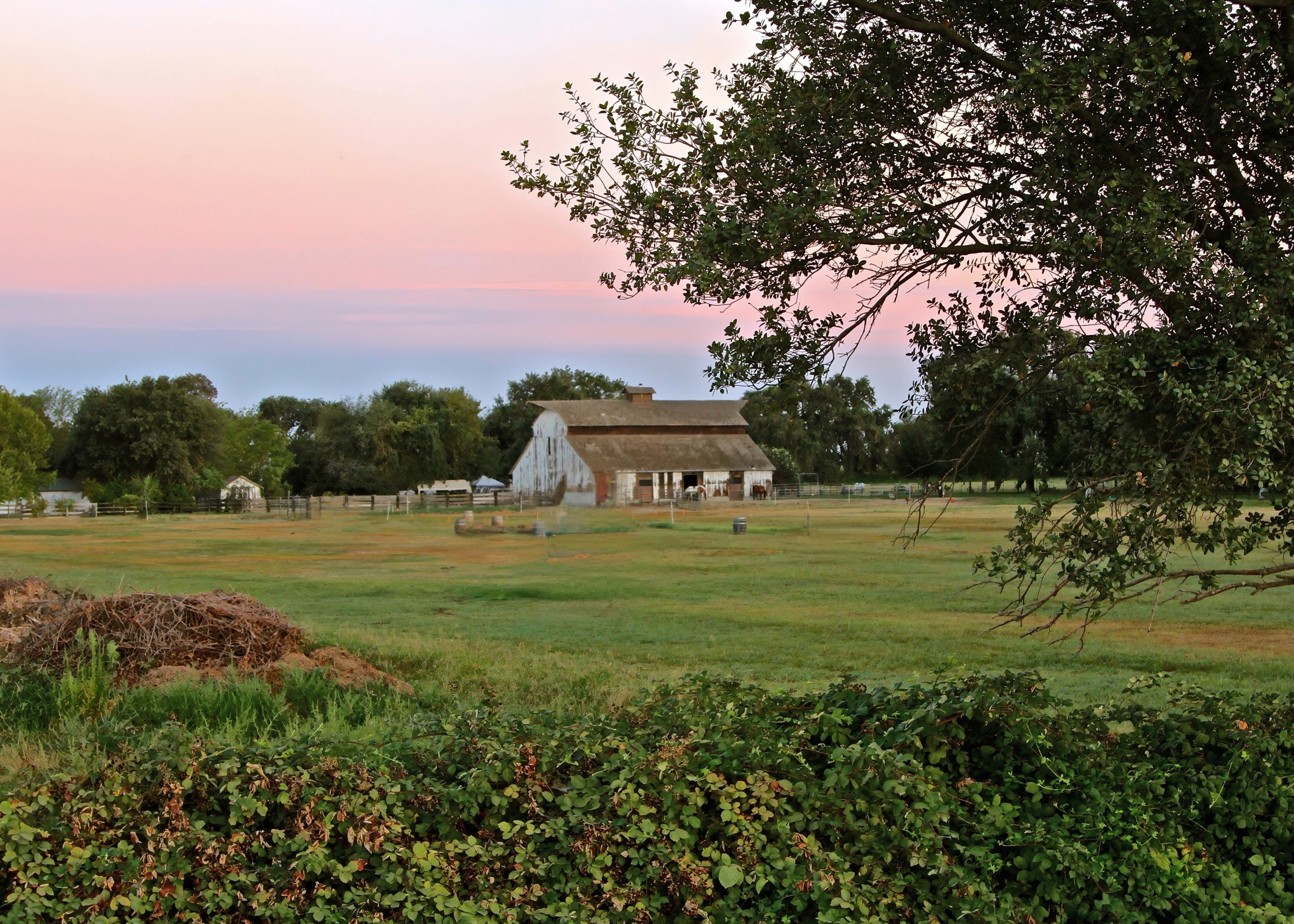
The Old Vineyard Barn⏤standing between fields of grapevines, a horse pasture and a grove of valley oaks well over 200 years old⏤was originally raised in the mid-1880s. Long before anyone in the surrounding community thought to pave any roads or light their homes with electricity; even before a canal was carved in the ground to divert the icy water from the river rushing down from the Foothills to irrigate the region’s yearly crops such as wheat, rye and watermelons, and the perennial producers such as grapevines, fruit and nut orchards.
Yet here, well nigh 140 years, The Old Vineyard Barn stands. Still owned by the same family who built it, serving its original purpose of housing horses, tools and wine barrels. Its whitewashed, scratchy old lumber has picked up such a handsome veneer⏤like a still-dashing, silver maned old man⏤for years young couples have been coming from miles around to take their pre-wedding photos beneath its widow’s peaked roof. The setting needs no explanation: It clearly stands for a promise of blissful life without end to which all couples aspire, as unrealistic as that aspiration may be, at least within the scope of human possibilities.
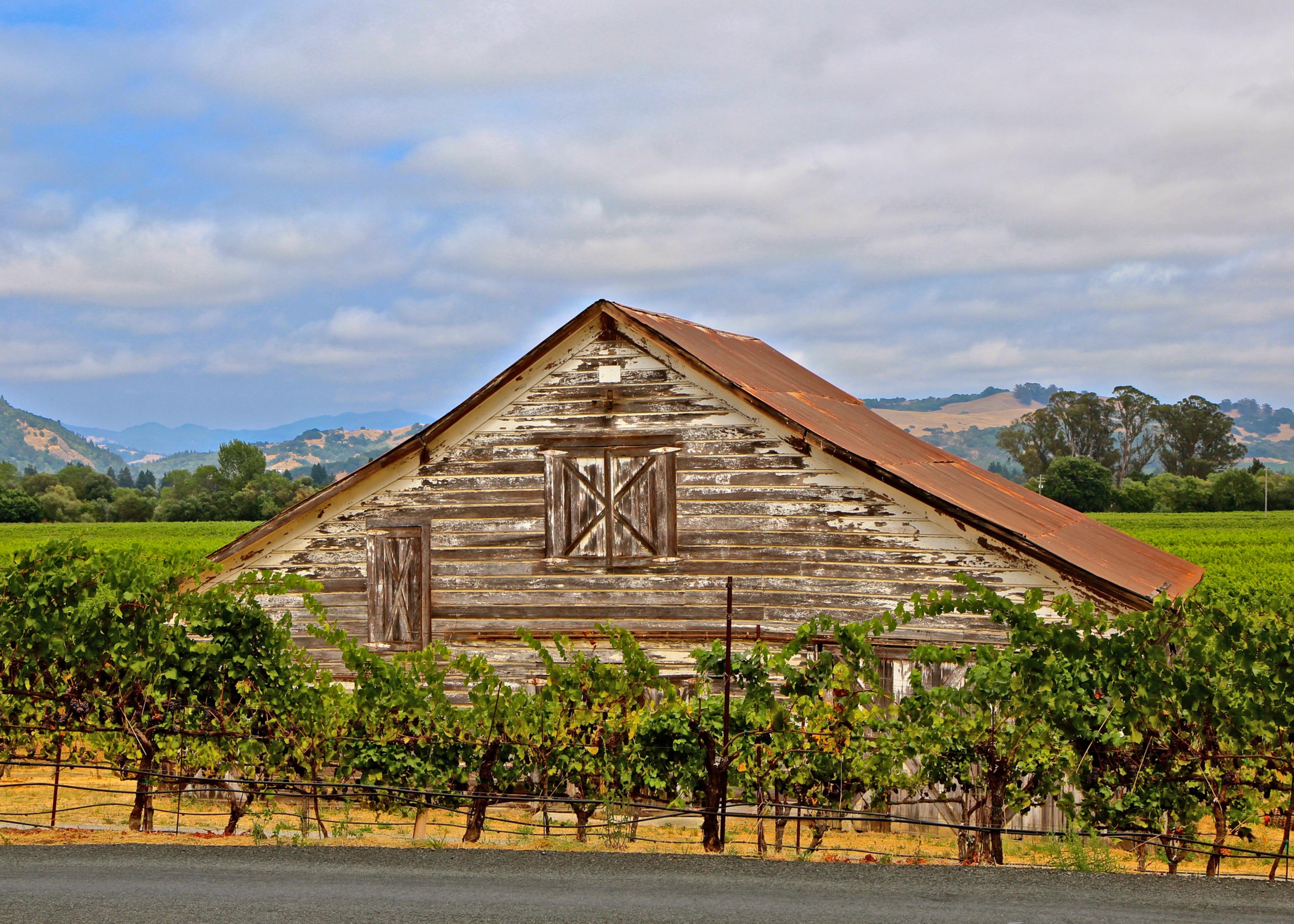
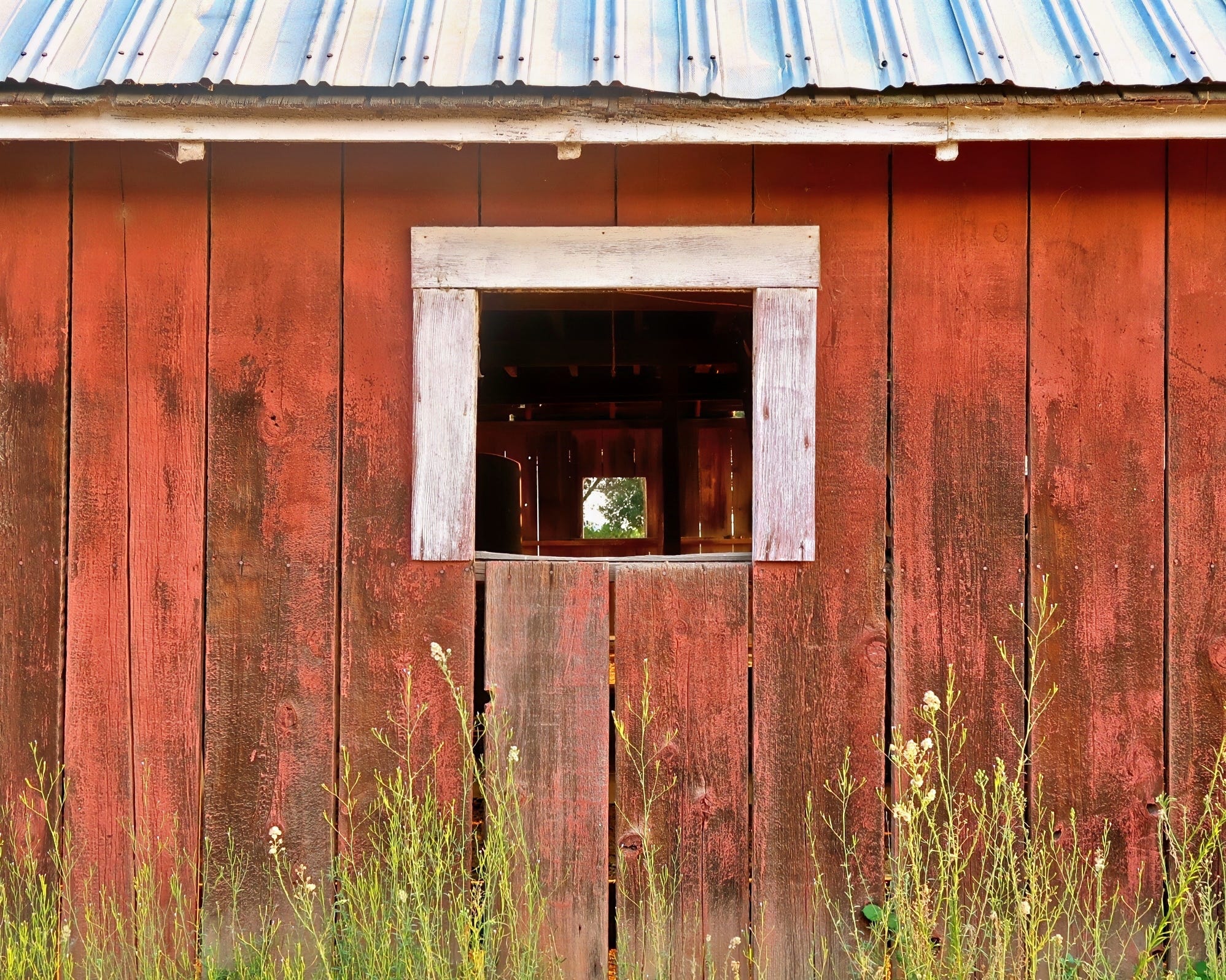
Without question, though, the barn shows its age. The boards are shrunken, swollen or bent every which way; sunlight and rain flood through ragged gashes in the sagging roof. The Delta breeze whips freely through the ever-widening cracks and round holes in the walls. Generations after generations of birds stitch nests into the eaves.
While every generation of the family that has centered their lives around the growing pains of The Old Vineyard Barn has added their own layer to the building’s story.
The first generation kept ledgers in pencil inside, on a shelf by the door: Yields, rain totals, what the buyer in town had paid per ton, carefully written in the same steady hand that had hammered in those first nails. The second and third generations tacked up calendars with pin‑up girls, horseless carriages, winged autos or the latest iterations of tractors or trucks, along with baptism notices and funeral cards. The fourth generation brought in a transistor radio, and then a dusty clock‑radio cranked up permanently to static⏤the ghostly voices of newscasts, weather reports and Top 100 countdowns that once rattled the ramshackle boards still hanging in the air, like faint echoes humming to the tunes of the whistling wind and creaking wood.
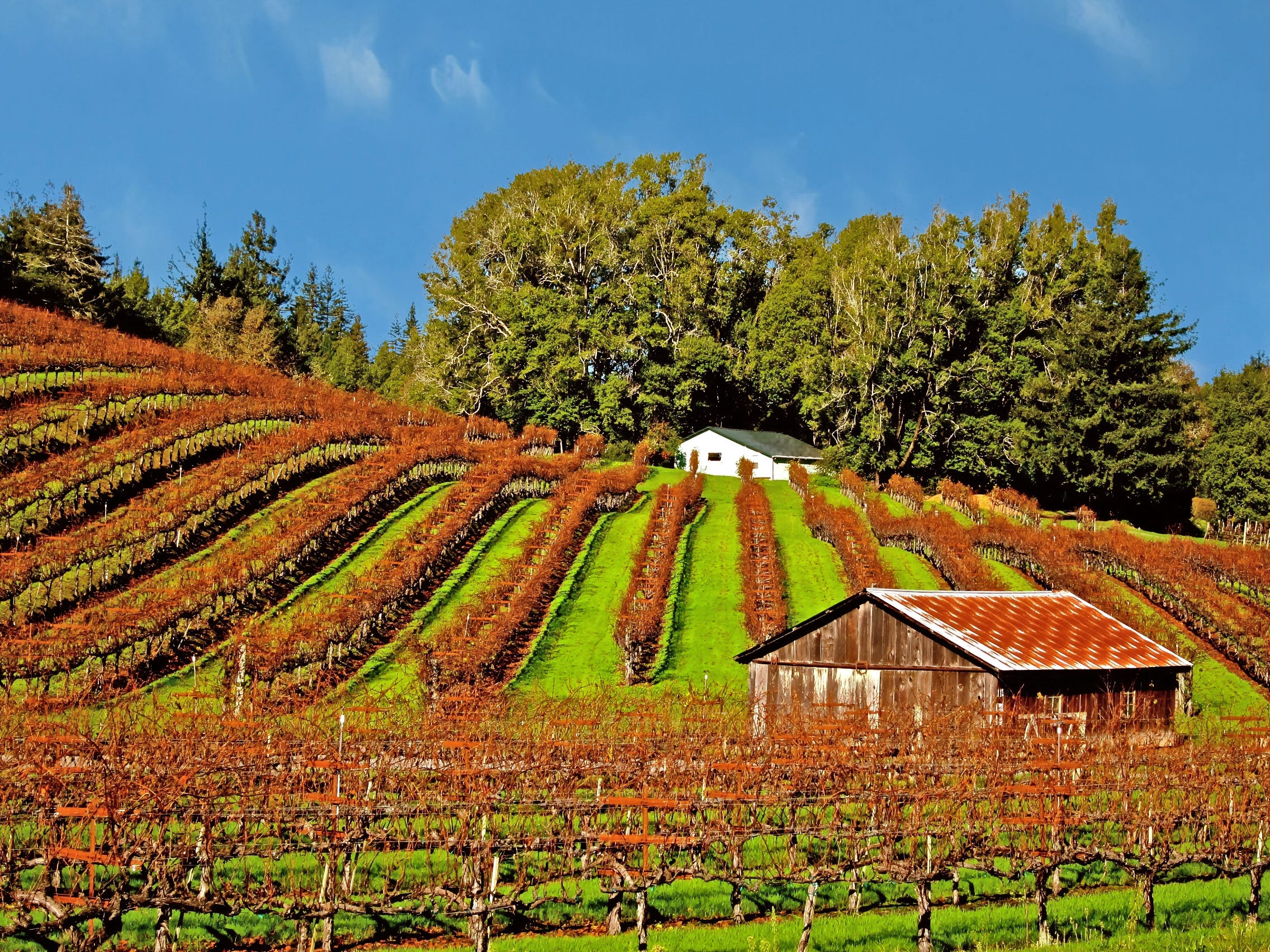
And then early one recent November morning, a young lady with dainty knock knees in her pre-teen years, belonging to the family’s latest generation, came in bearing a camera, a pocket sized Canon PowerShot, a gift received on her birthday the day before. Her father helped to pull open the big barn door, swollen from a century of seasons, groaning like a tired throat being cleared. Just down the dirt road lined with thorny wild berry bushes, the big, old, gnarly grapevines were preparing for winter, their leaves turning into crinkly brown, gold and red colors.
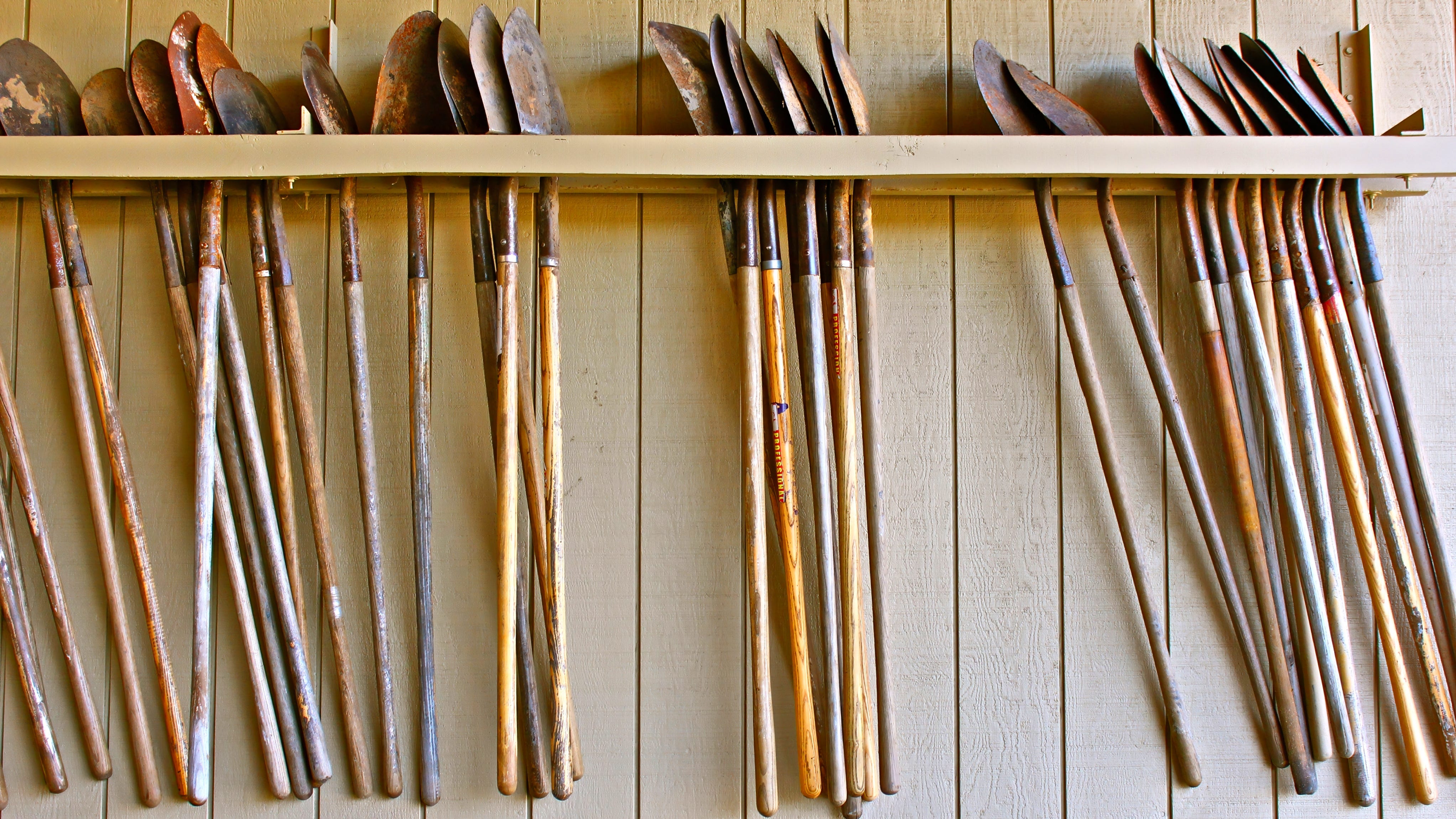
She tiptoed around gingerly, her eyes adjusting to the shadows. Golden light slashed through the cracks between the boards, laying jagged dark stripes across the hay strewn floor and up the walls of the grizzled interior, the horse stalls, hammer‑scarred beams, rusted hooks and piles of retired tools that no one quite had the heart to throw away. The strangely pleasant ammonia-like scent of horse manure and hay tingling her nose.
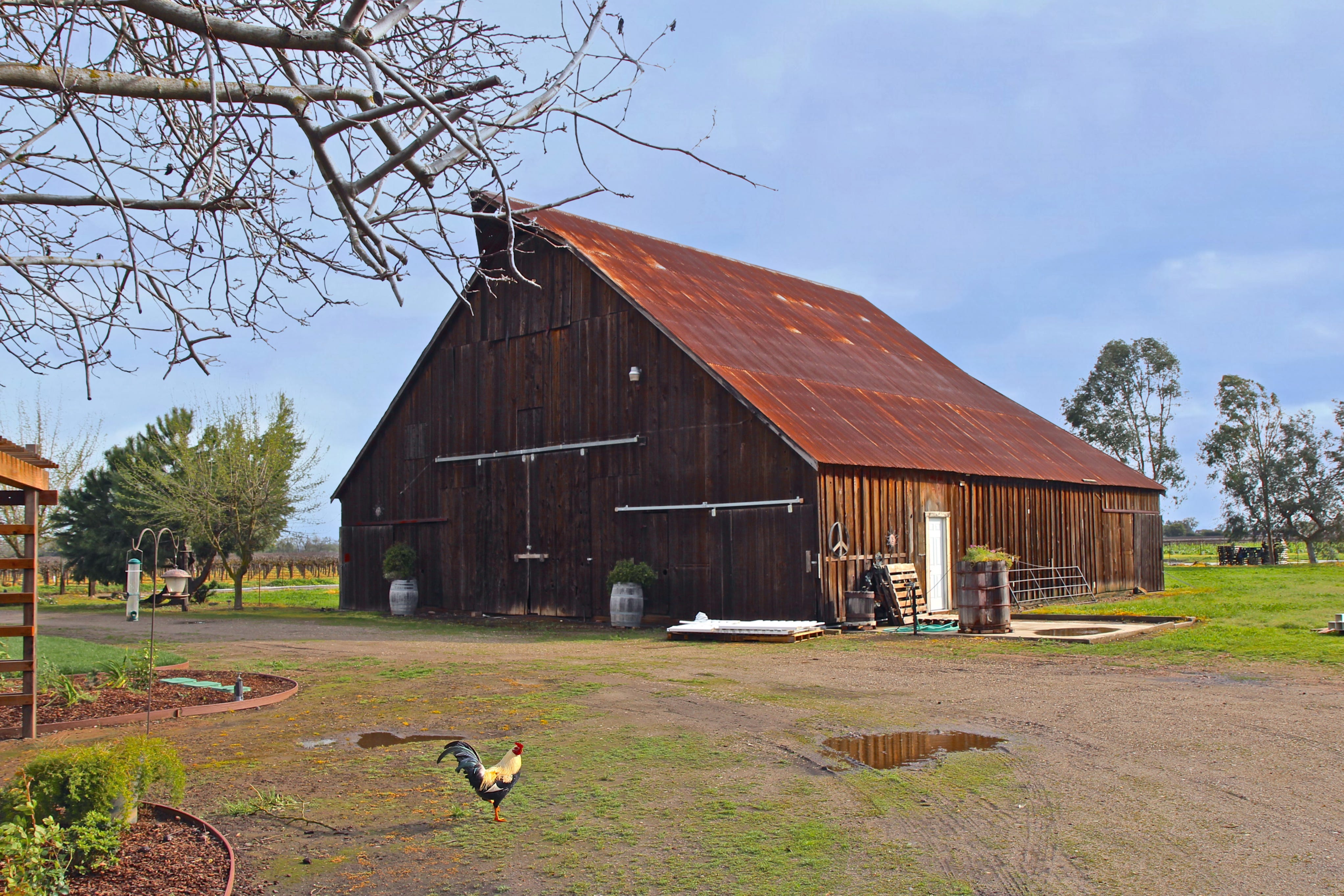
She raised her camera, snapped a few shots, then gave pause for thought. Because standing there, looking at the barn through her lens, this much became crystal-clear: This wasn’t just a building, or even a family heirloom, built by great-great-great grandpa. She felt like she was taking family portraits. The camera caught the patina on the same bare wooden walls most assuredly touched countless times by hands of previous generations. She thought about their steadily held faces, old fashioned suits, dresses, buggies, horses and proudly shown off cars, in all the faded old photographs she well knew, enshrined in lovingly curated family albums.
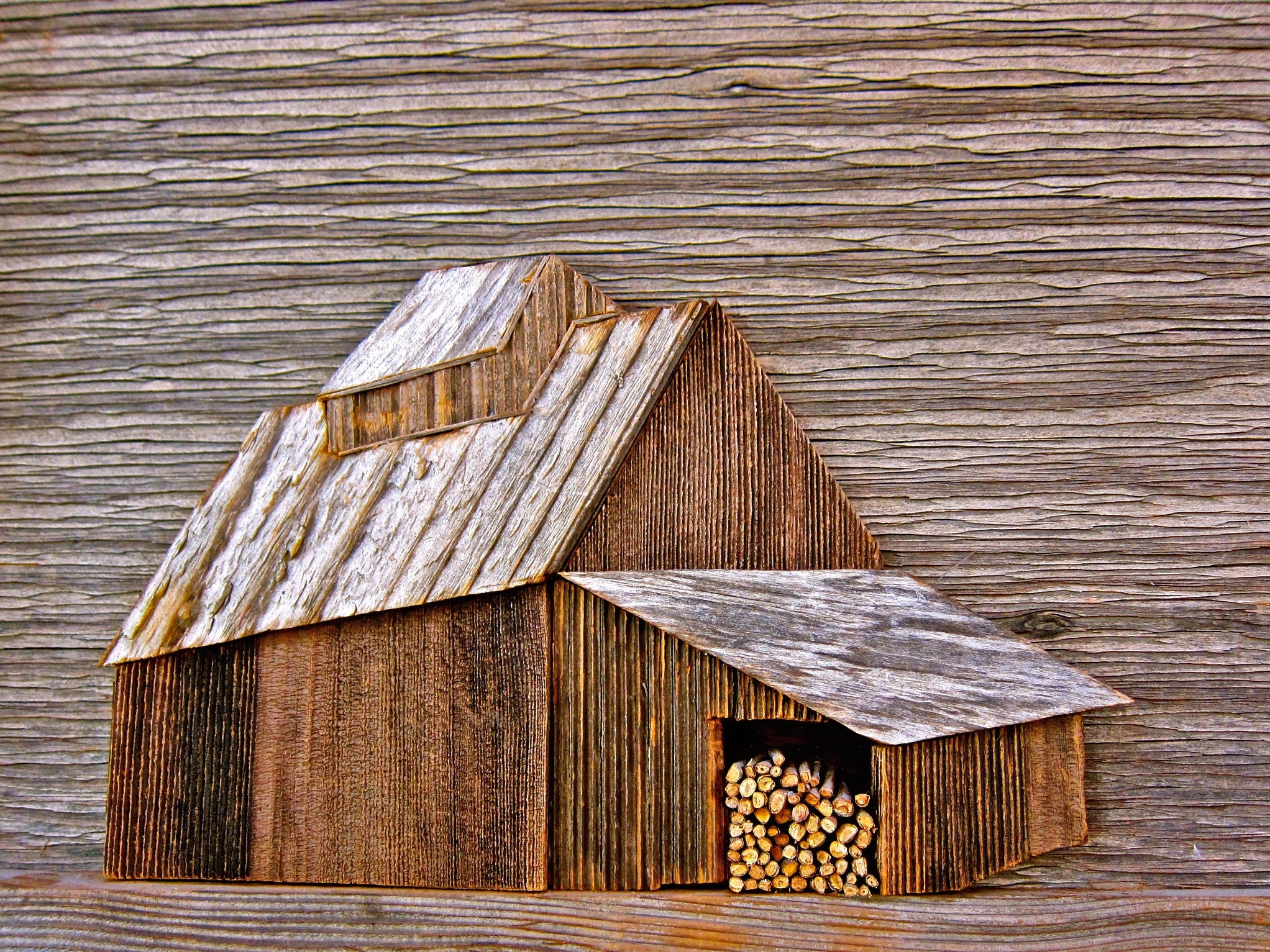
She found a giant nail bent halfway in and never pulled, and a first name in block letters carved into a thick load-bearing beam at shoulder height, no doubt by someone in the family not much older than her. There was also a date, “8-5-56.” She’d have to figure out who that was. Was it a cousin, a neighbor, a grandpa or grandma? Many of the old names had no gender. She pointed her camera towards a sturdy old ladder leading up to the hayloft, the thick rungs worn down by workman’s boots, or was it the bare feet of the old people when they were kids?
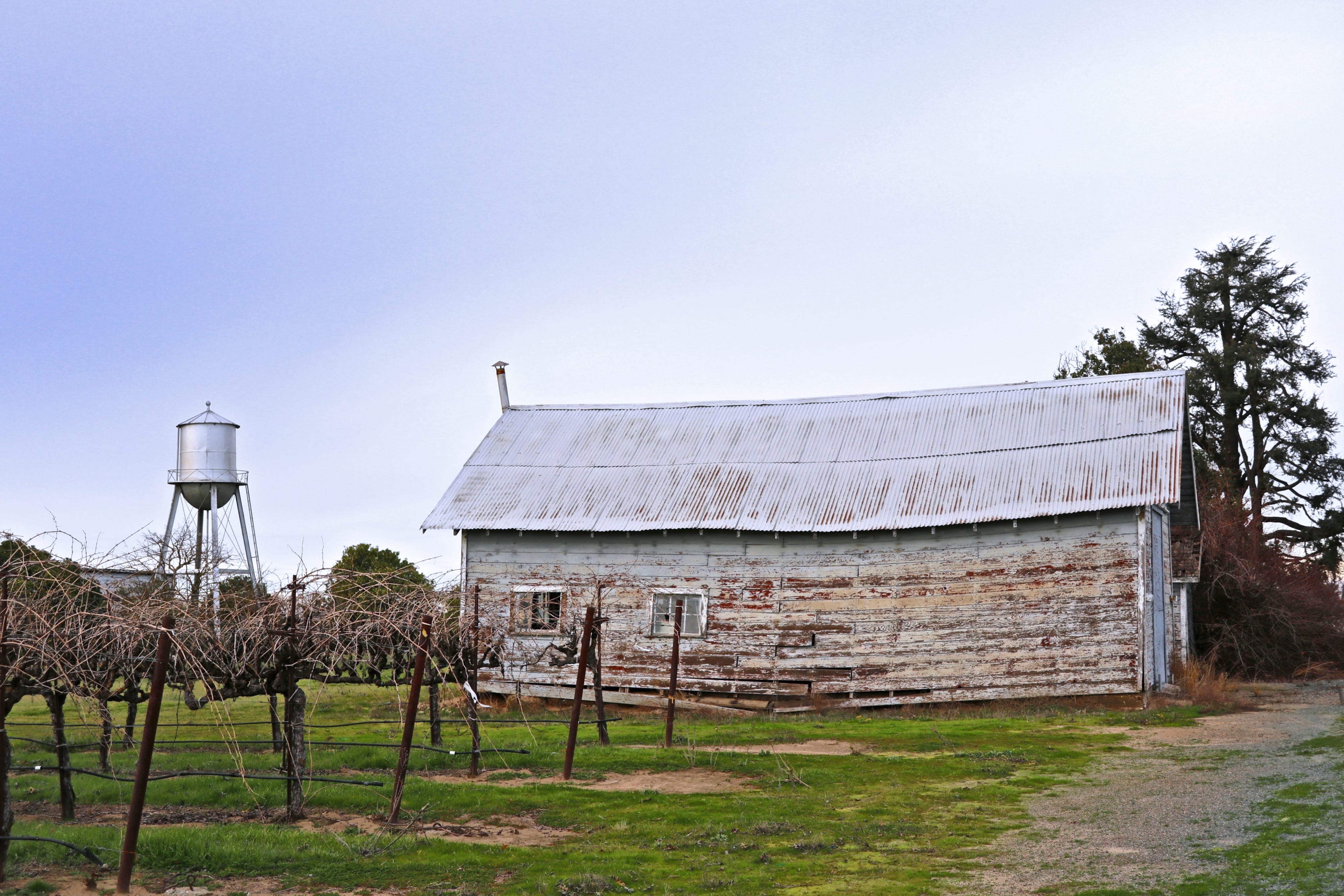
She turned around to point the eye of the Canon upwards to capture the light flooding through the round holes and cracks between the boards high over the barn door, like God shining through stained glass windows of a cathedral. There was, that is to say, a hushed sacredness to the light, like precious memories left sitting on the right-side-up milk crate by the door, settling like the thick dust on the work benches and splintered windowsills⏤telling stories only half-recalled, if remembered at all.
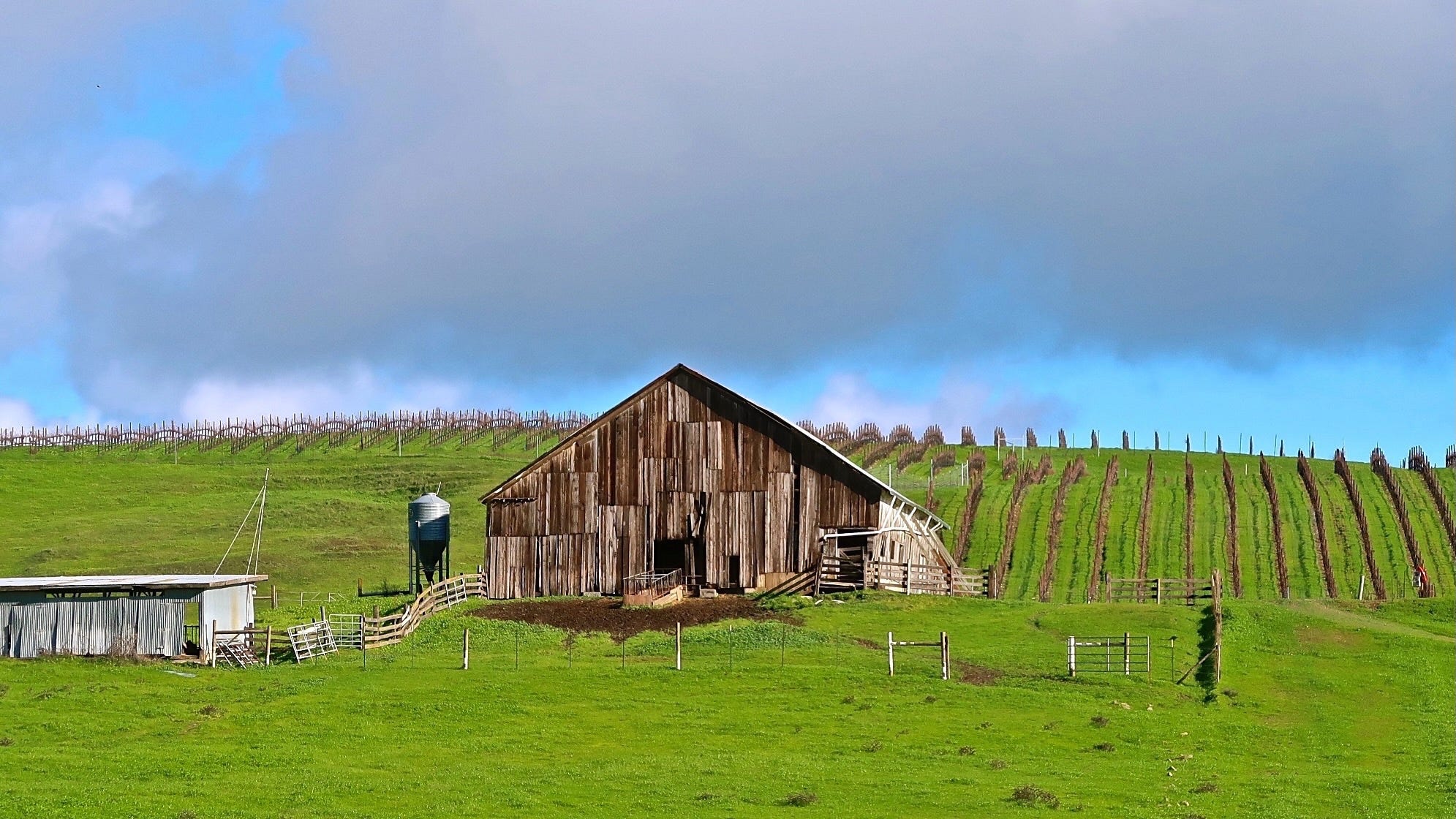
The young lady had the distinct feeling, even through the frame of her digital camera, that the barn knew things. She imagined the squeaking and clopping of horse-drawn wagons passing in front from the vineyard blocks, leaving clouds of dusty earth while hauling stacked wooden crates of just-picked grapes. The cheerful humming of women standing over rows of fruit boxes in full-length, frilly white or dark work dresses, sorting and picking out the most perfect clusters for the fresh grape market. The anxious pacing of the men when frost or storms were predicted, and someone had to decide whether to trust the forecast or toss the dice and give the grapes one more day to swell with sugar, to reach a level of ripeness optimal for cross-country shipping by rail.
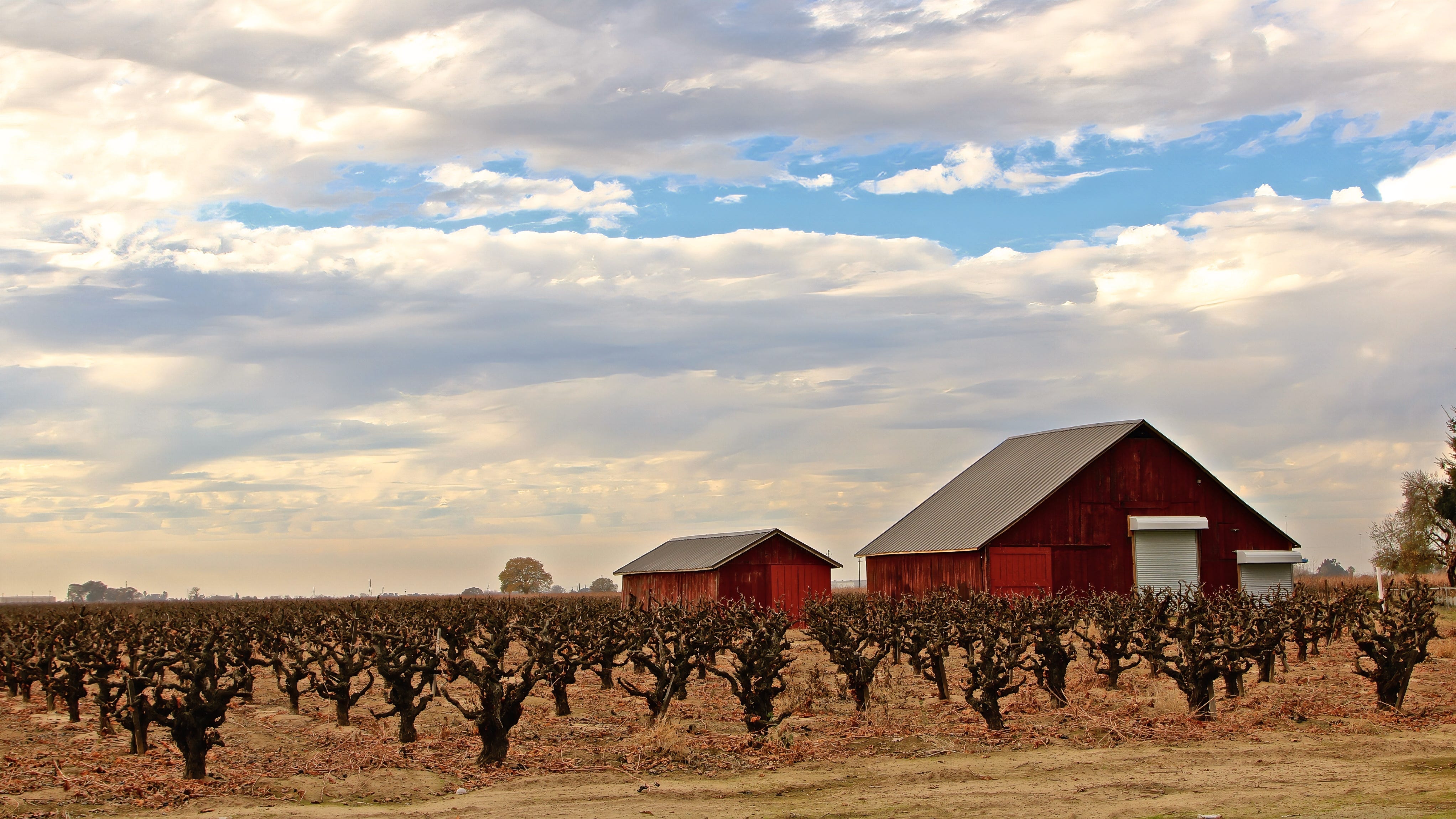
She knew, from listening to old family stories retold after plates were cleared from the dinner table⏤wine glasses refilled, candlelight shining on rosy cheeks of old Germanic faces⏤that in earlier years this beloved barn had sheltered horses, seasonal field hands and barrels. In harder years, it would have harbored doubts and given shelter from the inevitable storms.
There were, duly recorded in ledgers that could still be read, summers parched by high heat, and winters plagued by endless rain and even a once-in-a-century snow. There were old family photos of thigh‑deep flooding⏤when the old people had to row their way from the barn or oak grove to get to the original family home, and down to the lower blocks of vineyards to get the winter pruning done⏤and there was talk about whether the vines would even survive to see another season. They did. Through it all, The Old Vineyard Barn’s walls took a beating and, seemingly, only got tougher, even when shaken by rattling wind or soaked down to its foundation. It stood its ground.
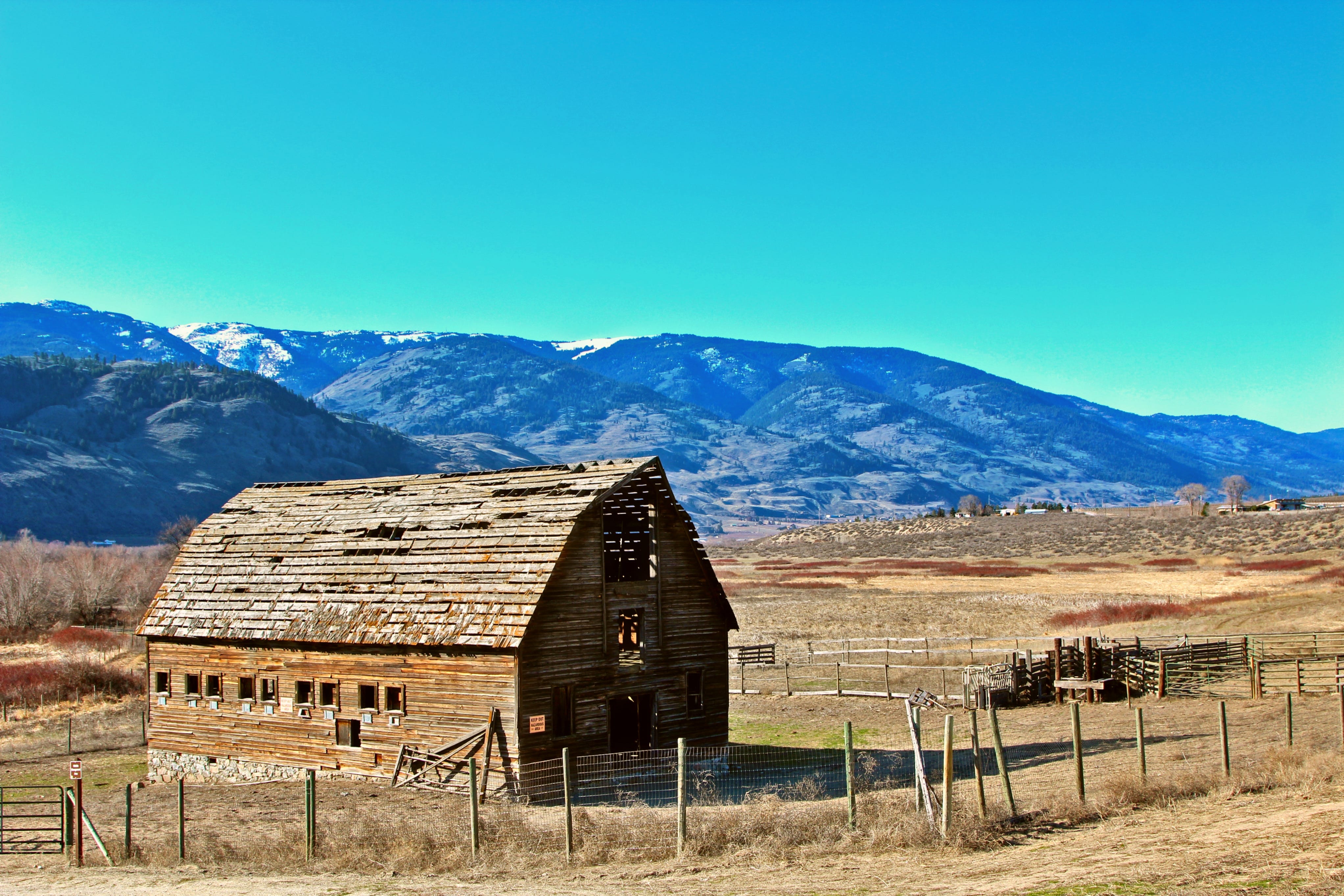
There was one year, she had learned, when late frost blackened the tender shoots and the family walked the grapevine bushes in silence, the weight of mortgage and debt heavy on their shoulders. There was another year when the grape market was severely depressed⏤no one to buy the old vine fruit!⏤and still another when the stock market in New York crashed, and investments once thought safely squirreled away by the family were crushed along with hope.
The Old Vineyard Barn remembered it all. Even when someone leaned over a stall, whispering “We’ve made it through worse” to no one in particular, except the walls of the barn. It never answered, of course. All you hear is the Delta breeze breathing air through its bones.
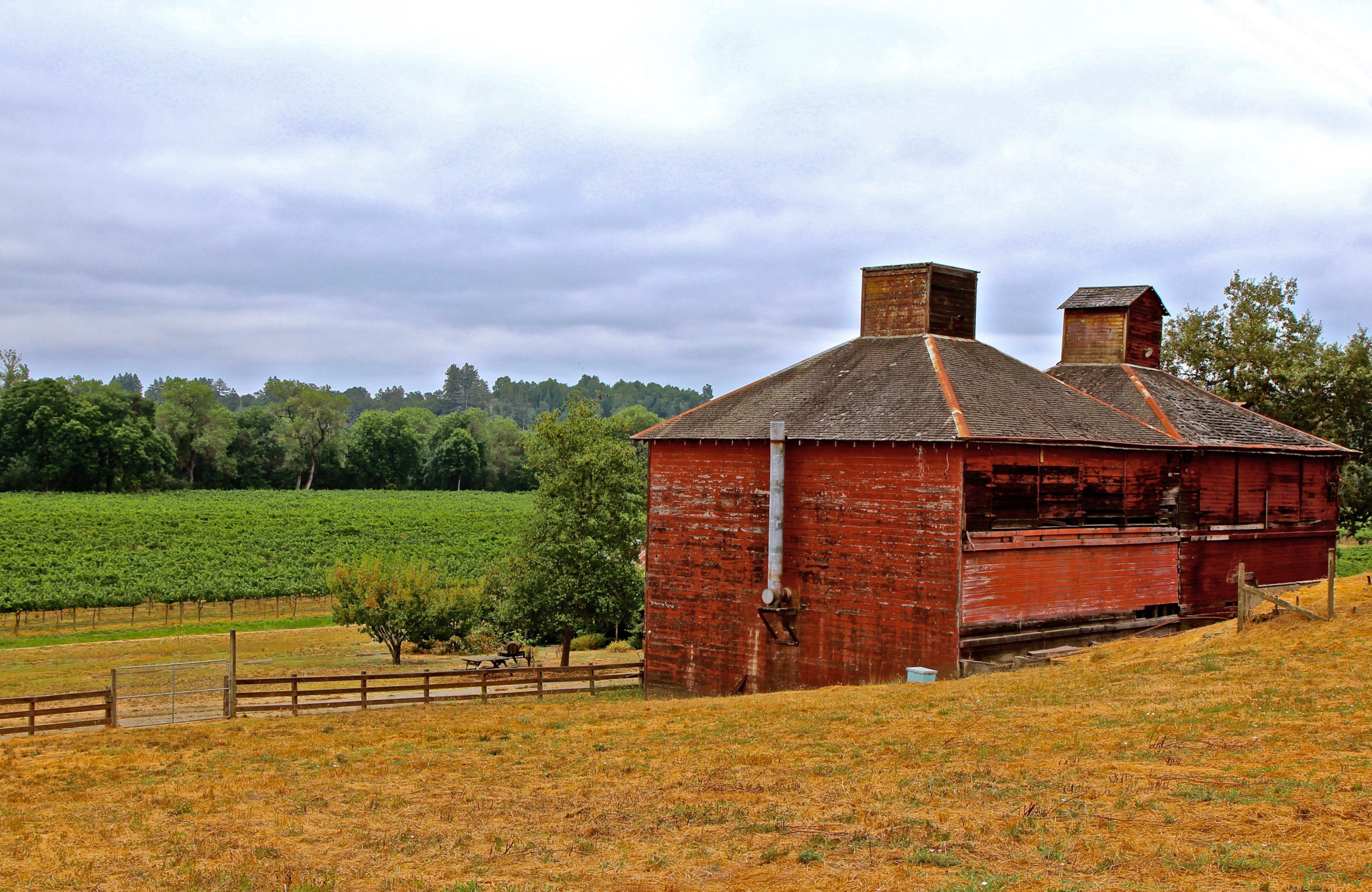
Today, the barn sits near a modern, more or less, winery operated by the family. It’s not really a “prestige” thing; something you might someday see on the cover of a national wine magazine. But these days, if you want to continue farming a half-square-mile of vines, you can’t just cultivate grapes and pray for survival. You also have to be able to process them, and sell the fermented juice to either winery clients or out in the bulk wine market.
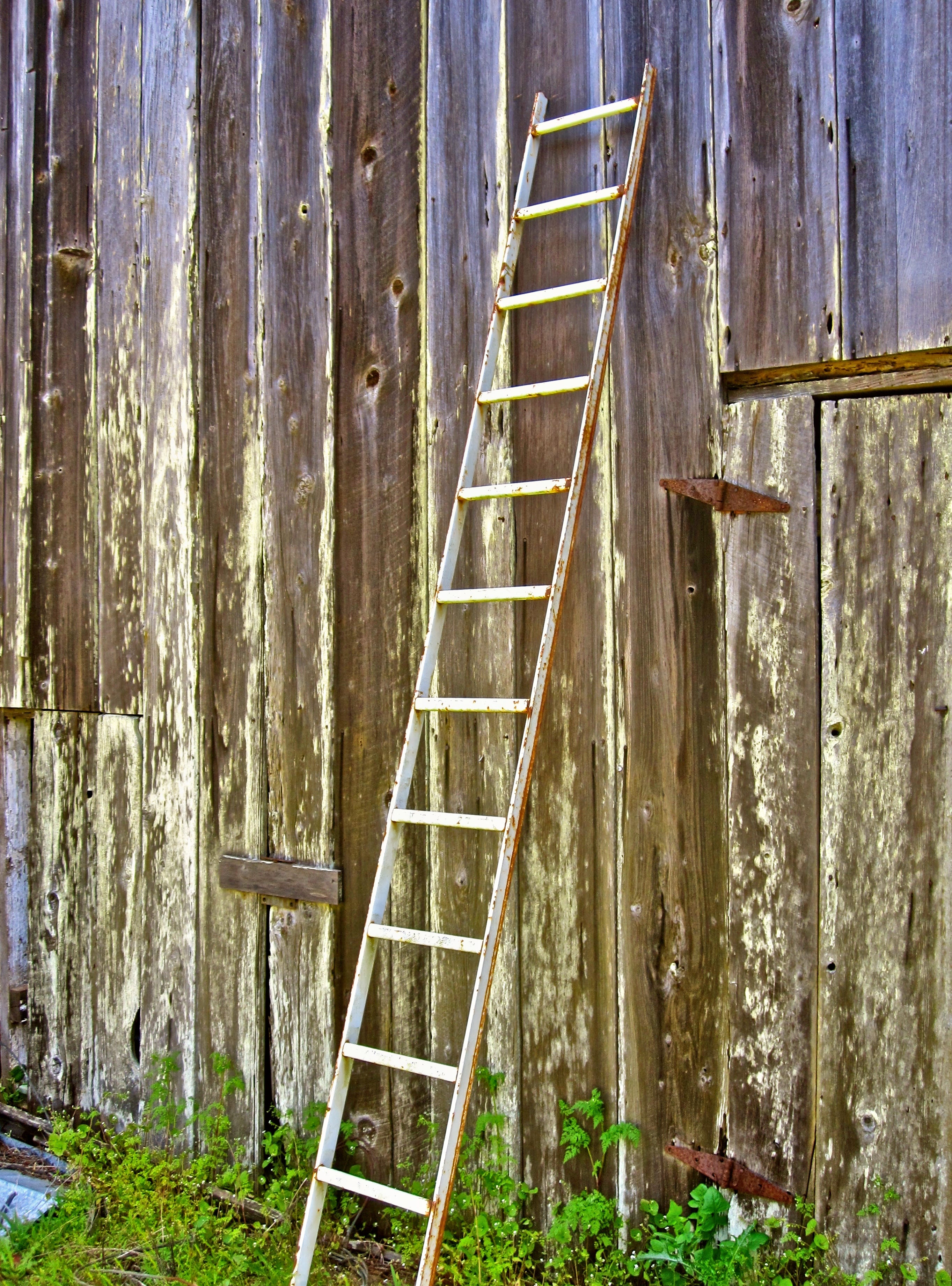
Today, many of the winery visitors stopping by to buy wines at the door⏤from a tasting room housed in a nineteenth century tongue-and-groove shed a few feet away from the barn that has grown equally old and debonair over time⏤are almost unconsciously compelled to stroll out among the pecking chickens dancing in and out of the corral, past a happy, penned-up hog near the edge of the pasture, and pointed in the direction of The Old Vineyard Barn’s whitewashed walls, like a needle in a compass. They pull out their phones powered by gigs holding more than what is stored in tens of thousands of libraries⏤something the first generations of the farming family could have never imagined⏤and they take their photos.
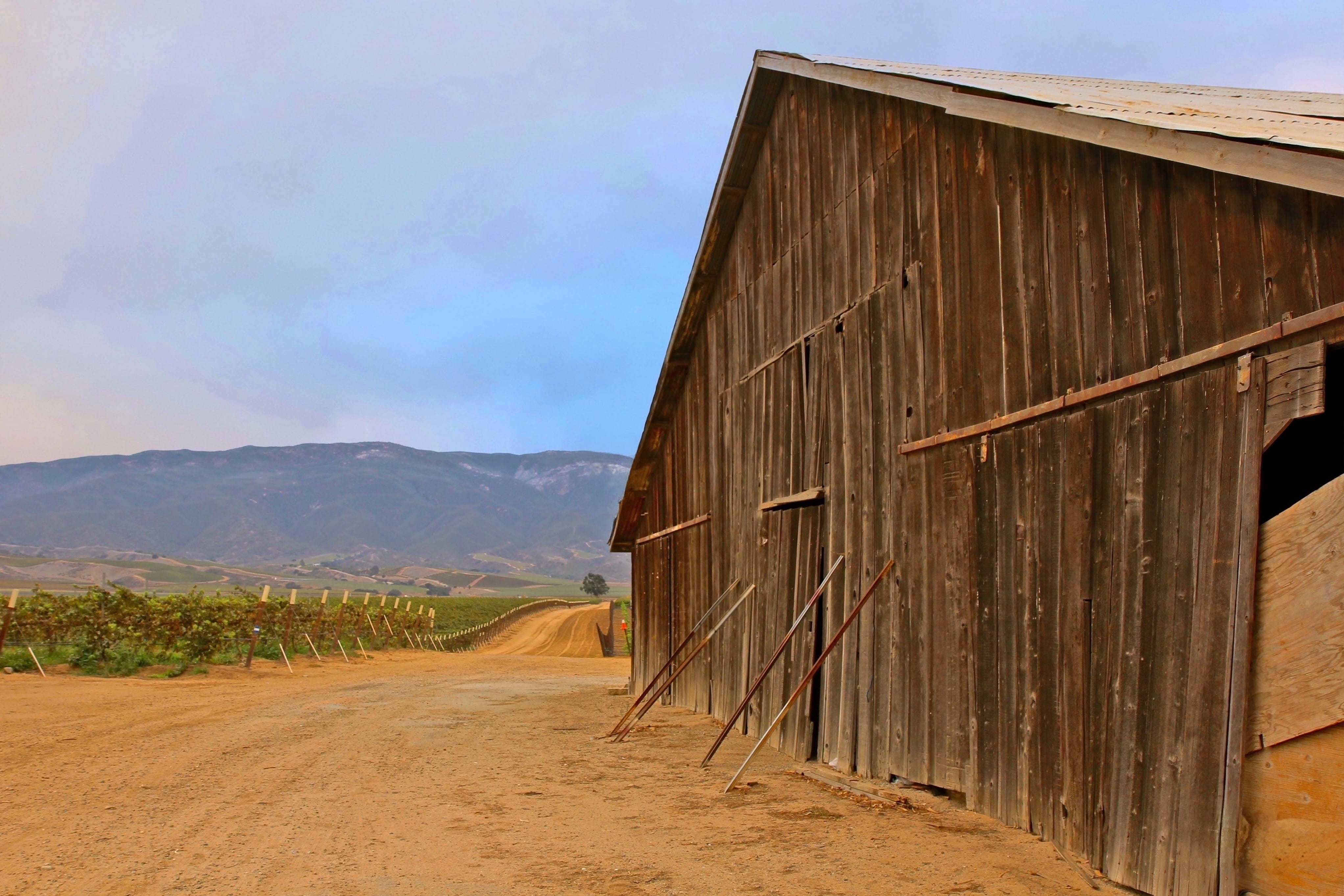
The Old Vineyard Barn is a photo op because there is something about its tall, long, rugged profile that feels honest, time-worn yet timeless, and somehow, historical⏤even if you aren’t actually aware of its history. What the barn seems to say, you cannot buy or duplicate, even if you tear it down and build it all over again. Its character is embedded in something earned after nearly 140 years of existence⏤make that, survival.
Every once in a while a corporation, an investment group or wealthy would-be gentleman farmer from the outside comes by to make the family something of an offer. It is never something that comes close to how much it is valued. The property⏤The Old Vineyard Barn, with its farm animals, ancient valley oaks, tangles of wild blackberries and acres of gnarly old grapevines⏤is not for sale. That would be like selling a limb, or member of the family. You don’t sell off limbs or members of family.
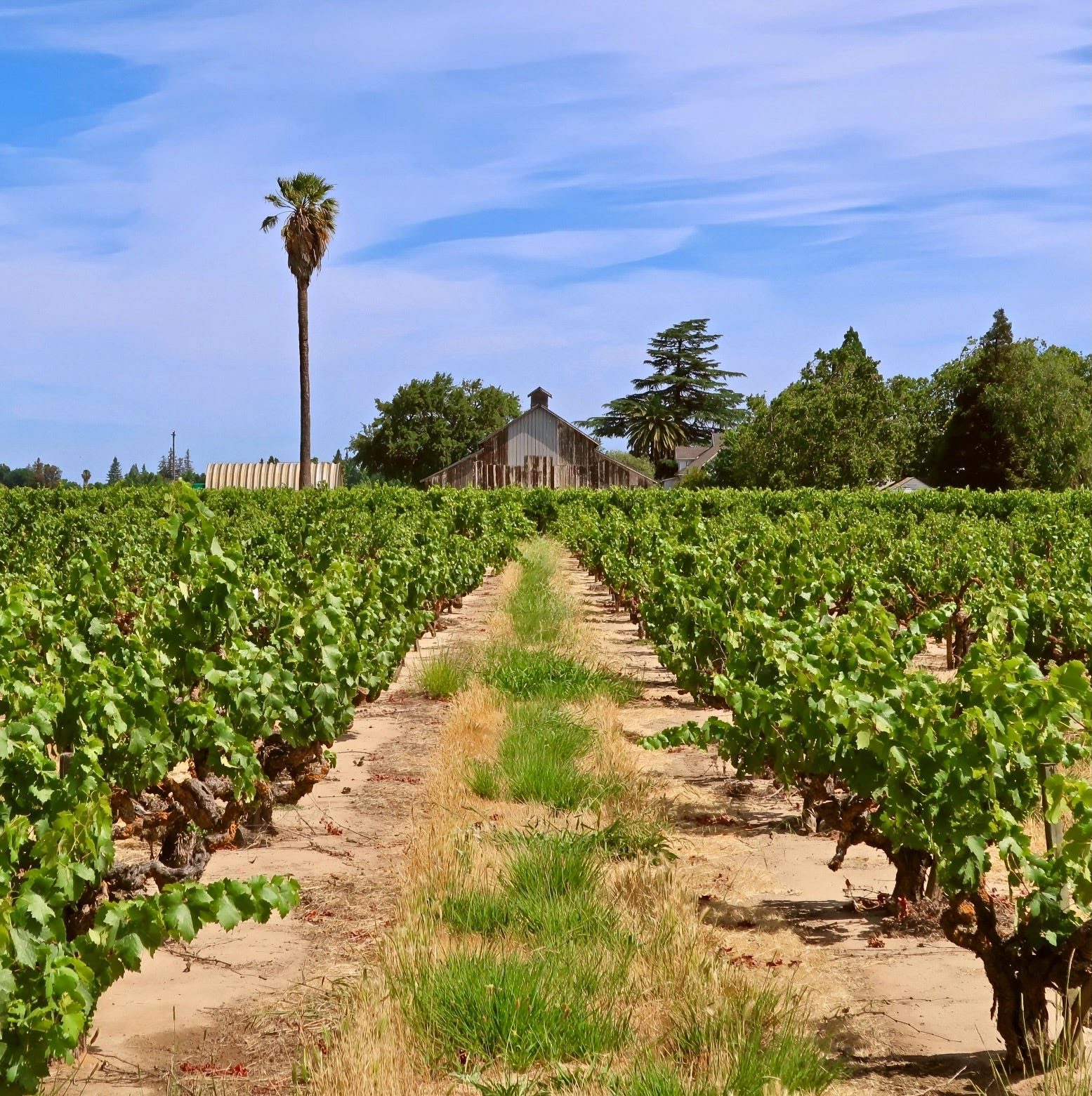
Therefore, The Old Vineyard Barn still stands, clinging to its sense of place. Waiting for still another visitor to come by, run a hand along its boards, and ponder the peeling, raggedy edges while asking, “How long has this been here anyway?” “Built in the 1880s,” someone who knows might say, “still in the same family stubbornly tending to all those hundred-year-old vines and the giant ancient oak trees they refuse to let go.”
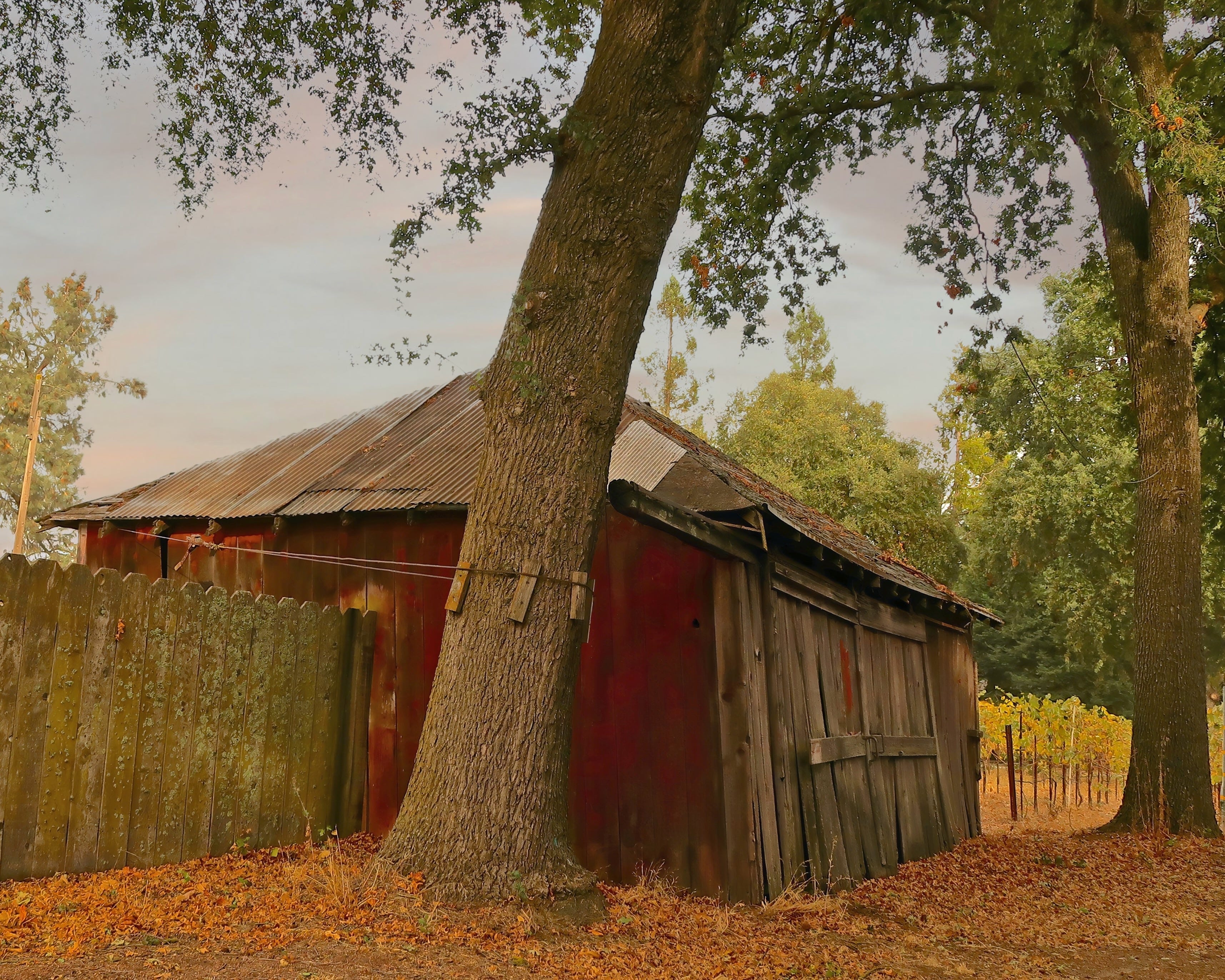
As this crazy world spins faster than ever⏤while the latest trends and fashions come and go, new devices and toys “enrich” our lives, and a wine and grape growing industry keeps going boom and then promptly goes bust in its never-ending cycles—The Old Vineyard Barn does not budge. It just keeps holding its center, collecting its stories. They are the stories, of course, of one family living on one priceless piece of land, working the crops that simply demand more, never any less, patience and devotion.
It is a proud witness carved from wood of the earth that has seen and absorbed it all. Remaining not just very much useful, but also deeply loved.
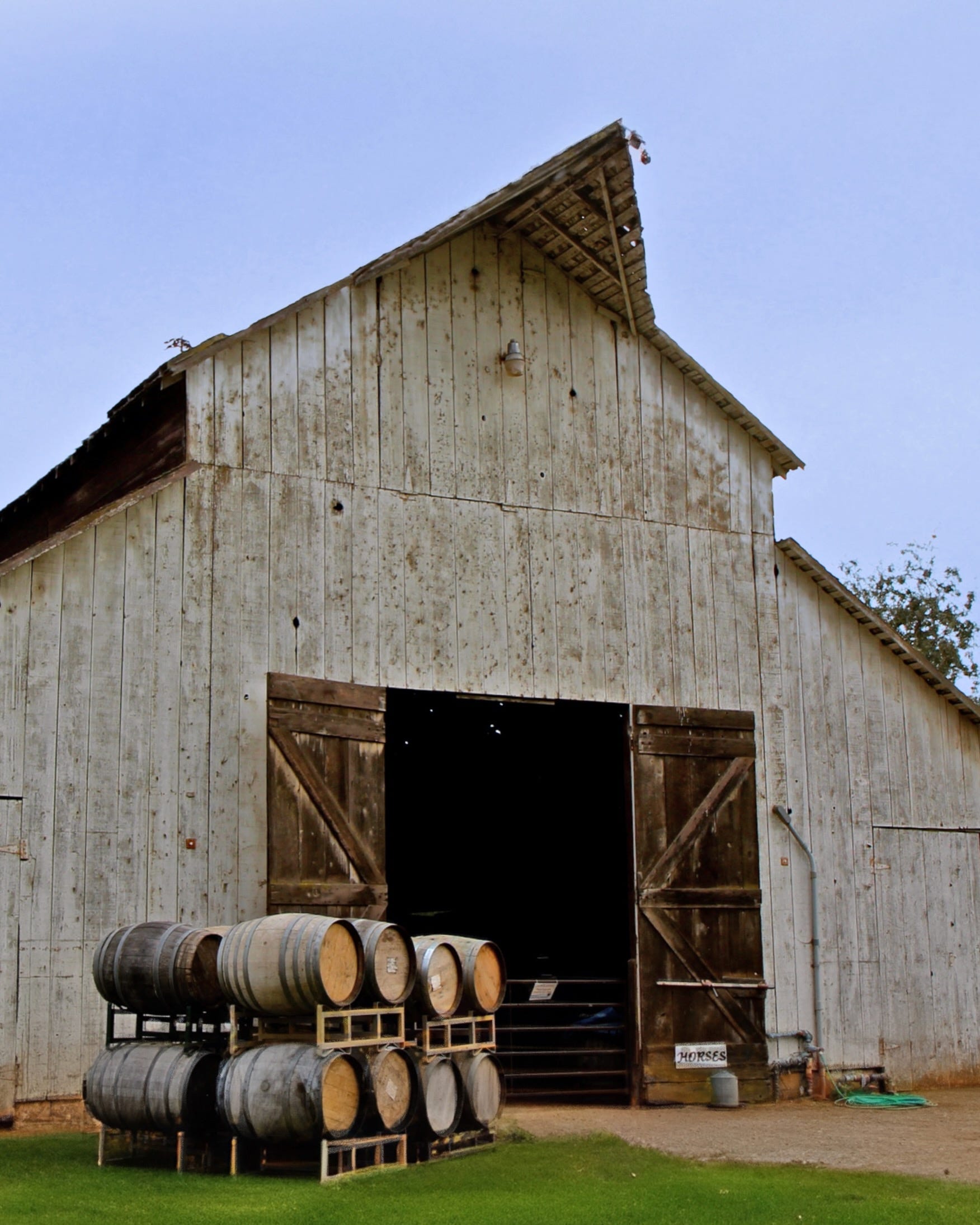
It's photos like these that should be on the 'Real California' postcards one sees in tasting rooms, fueling stations and gift shops. Gorgeous work, RC!
Beautiful. Thank you for a lovely read while sipping on a glass of wine.